

Disaster Risk Management Strategies in Kenya
Discover practical strategies for disaster risk management in Kenya, focusing on community involvement, resource coordination, and building resilience 🌍💧🔥
Edited By
Henry Wallace
Risk management has become a vital function across many industries in Kenya. With the country’s economy evolving rapidly in sectors like banking, insurance, manufacturing, and telecommunications, the demand for skilled risk management professionals is on the rise. These roles involve identifying, assessing, and controlling risks that might affect an organisation’s financial health, reputation or operations.
Kenya's financial sector, particularly banks and insurance companies, offers some of the largest pools of risk management jobs. Institutions such as KCB, Equity Bank, Britam, and Jubilee Insurance continuously seek experts familiar with credit risk, operational risk, and compliance. For example, credit risk analysts assess how likely customers are to repay loans, which is crucial in a country with widespread mobile lending services.

Beyond finance, risk management professionals are needed in manufacturing and agricultural export firms to mitigate risks from supply chain disruptions, currency fluctuations, or regulatory changes. Telecom firms like Safaricom also employ risk experts to secure data and maintain service continuity amid cyber threats.
Strong analytical skills and knowledge of regulatory frameworks, including guidance from the Capital Markets Authority (CMA) and Central Bank of Kenya (CBK), are key to excelling in these roles.
Basic qualifications usually include an undergraduate degree in finance, economics, statistics, or a related field. Holding certifications such as the Certified Risk Management Professional (CRMP) or qualifications from the Global Association of Risk Professionals (GARP) increases competitiveness. Practical experience with tools like Excel, SQL databases, and risk assessment software is also valuable.
Career paths tend to start in junior analyst positions and can progress to risk managers or heads of risk departments, sometimes branching into compliance or audit roles. The most successful candidates are those who continuously update their skills and understand Kenya’s specific market conditions, including informal sector risks and mobile money fraud nuances.
In summary, risk management in Kenya presents growing opportunities for finance professionals ready to navigate a complex, dynamic environment. By focusing on sector-specific demands and honing relevant skills, candidates can secure rewarding roles that support the stability and growth of Kenyan businesses.
Risk management is a must-have function for many businesses across Kenya. It involves identifying, assessing, and dealing with potential threats that could disrupt operations or cause financial losses. For anyone looking into risk management jobs here, understanding its local relevance helps make sense of career opportunities and sector demands.
Understanding risk management means spotting hazards that could hurt an organisation, whether from market changes, operational mistakes, or external shocks. In practical terms, it's about spotting problems before they spiral and applying controls to minimise their impact. For example, a bank might assess the risk of loan defaults by reviewing borrowers' profiles before issuing credit.
Why it matters for Kenyan businesses is straightforward: with a dynamic economy, companies face risks like currency fluctuations, regulatory changes, and even political shifts. Take a telecommunications firm in Nairobi—that firm must manage risks linked to cybersecurity threats and network downtime, which could cost millions of shillings in lost service and customer trust.
Businesses without sound risk management tools often end up reacting to crises rather than preventing them, leading to avoidable losses.
Banking and financial services conveniently top the list. With stringent guidelines from the Central Bank of Kenya (CBK) and rising customer expectations, banks employ risk managers to oversee credit risk, market risk, and operational glitches. For instance, risk teams at Equity Bank analyse loan portfolios to ensure stability despite economic ups and downs.
In the insurance industry, risk managers assess claims and underwriting risks while ensuring compliance with the Insurance Regulatory Authority (IRA). They help insurers such as CIC Insurance Group reduce exposure to large-scale claims like those from road accidents or natural disasters.
Telecommunications and technology are fast-growing, especially with Safaricom and Airtel Kenya pushing digital services. Risk professionals here tackle data breaches, fraud, and regulatory compliance, even assessing the risks around rolling out new tech platforms or mobile money services like M-Pesa.
On the ground in manufacturing and infrastructure projects, risk management is about handling supply chain disruptions, safety hazards, and project delays. Firms like Bamburi Cement and major road construction companies rely on these experts to minimise financial and reputational damage.
Understanding these sectors and their risk landscapes equips job seekers and investors with practical insights. It also reflects why risk management is not just a function but a strategic advantage for Kenyan businesses navigating an ever-changing market.
Risk management jobs in Kenya cover a variety of roles, each with specific responsibilities that help organisations reduce losses and operate smoothly. These roles are essential in sectors like banking, insurance, and telecommunications, where uncertainties can lead to significant financial setbacks. Understanding the differences between these positions ensures you can identify which path suits your skills and career interests.
A Risk Analyst assesses potential threats to an organisation's capital and earnings. In Kenya’s banking sector, for example, they evaluate how market shifts, such as interest rate changes or foreign exchange fluctuations, might affect loan portfolios. By analysing data trends, they help steer decision-making toward avoiding losses or missed opportunities.
The Risk Officer takes a more hands-on role in implementing risk policies and monitoring daily risk exposure. In a manufacturing firm, such an officer might oversee operational hazards like equipment failures or supply chain bottlenecks. They ensure risk controls are in place and report any deviations so corrective measures follow swiftly.
Compliance Officers focus on ensuring companies meet regulatory requirements set by bodies like the Central Bank of Kenya or the Insurance Regulatory Authority. For instance, in a telco, they might guarantee that data privacy laws are upheld, helping avoid fines and reputational damage. Their role often involves training staff on compliance and conducting regular internal reviews.

Internal Auditors independently review the company’s risk management frameworks and financial controls to confirm they function effectively. This role is critical when it comes to uncovering fraud or errors in processes. For Kenyan financial institutions, internal auditors support transparency and help maintain stakeholder trust.
Credit Risk Managers specialise in assessing the likelihood borrowers might default on loans. In Kenya’s banking industry, these professionals analyse client credit histories, current economic conditions, and sector-specific risks—like drought impacts on agribusiness clients—to decide lending limits and terms. Their decisions directly affect the institution’s profitability and stability.
This first step involves recognising all possible risks that could affect an organisation. For example, a telecommunication company might identify cybersecurity threats as a leading risk. The professional must assess the likelihood and potential impact to prioritise where to focus resources effectively.
After identifying risks, the job involves creating ways to reduce or handle them. In Kenya’s insurance sector, this could mean designing policy clauses that limit exposure to flood damages. Mitigation may involve insurance, process changes, or new technologies.
Continuous risk monitoring allows early warning signs to be caught. Risk managers track indicators and produce regular reports for management or regulatory bodies. For instance, regularly updating key risk indicators helps banks prepare for shifts that could affect loan portfolios.
Adhering to legal and regulatory standards avoids penalties and maintains business licences. Compliance teams must stay current with updates from regulatory authorities and adapt company policies accordingly. For Kenyan firms, this also means aligning with regional trade or financial regulations, especially under the East African Community agreements.
Consistently performing these roles well boosts an organisation's resilience and confidence among investors and clients. In Kenya’s dynamic economy, skilled risk professionals are vital to navigating uncertainties while supporting growth.
In Kenya’s growing economy, having the right skills and qualifications is vital for anyone looking to build a career in risk management. The job calls for a blend of solid educational background, professional certifications, and practical abilities that help professionals identify, analyse, and manage risks effectively. Here’s a closer look at what employers expect.
Relevant degrees serve as the foundation in this field. Degrees in finance, economics, business administration, or actuarial science are common entry points. For instance, a Bachelor’s in Commerce with accounting focus or a degree in statistics offers crucial knowledge about financial systems, which is essential in risk evaluating roles, especially in banks and insurance firms. Many Kenyan risk managers also hold degrees from local universities like the University of Nairobi, Strathmore, or Jomo Kenyatta University of Agriculture and Technology (JKUAT).
Certifications like CRM, CISA, CPA add significant value, enhancing credibility and specialised expertise. Certified Risk Manager (CRM) equips professionals with practical risk assessment and mitigation techniques, which is helpful in sectors such as telecommunications and infrastructure. Certified Information Systems Auditor (CISA) is highly regarded for those involved in IT risk and cybersecurity. Meanwhile, Certified Public Accountant (CPA) Kenya qualification has a strong weight in financial risk roles, since it deepens understanding of accounting principles and control systems. These certifications often open doors to senior positions and higher earnings.
Analytical and problem-solving abilities are key to recognising potential threats and designing strategies to manage them. For example, a risk analyst at a commercial bank must quickly analyse loan portfolios to detect repayment risks and propose corrective actions. This skill helps firms avoid losses caused by unanticipated events or market shifts.
Communication and stakeholder management hold equal weight. Risk managers regularly interact with diverse teams—finance, compliance, operations—and present findings to management or regulatory bodies. Clear reporting in understandable terms is crucial. For example, when explaining the impact of foreign exchange fluctuations on a Kenyan manufacturing company, the risk manager must translate complex data into actionable insights that top executives can grasp quickly.
Understanding of Kenyan regulatory frameworks is indispensable. Kenya’s regulatory environment is dynamic, with institutions like the Capital Markets Authority (CMA), Central Bank of Kenya (CBK), and Insurance Regulatory Authority (IRA) enforcing specific rules. A risk professional must keep up with regulations like Anti-Money Laundering (AML) laws or prudential guidelines to ensure compliance and avoid costly penalties. Awareness of recent changes in Central Bank directives can be vital in financial institutions’ risk assessments.
Masters of risk management in Kenya combine formal education, industry certifications, and practical skills to help businesses navigate uncertainties and remain compliant within institutional frameworks.
Both analytical minds and effective communicators find space here, especially those who understand the local context and regulatory demands.
Securing a risk management job in Kenya demands a clear strategy that combines targeted job search methods and effective preparation. Knowing where to look and how to present yourself can set you apart in a competitive landscape. This section breaks down practical approaches to finding these roles and how you can prepare to succeed.
Online job platforms are a key resource for finding risk management vacancies across Kenya. BrighterMonday and Fuzu stand out because they offer dedicated filters for finance and risk roles, allowing you to focus your search on relevant opportunities. For example, using BrighterMonday, you can filter jobs by Nairobi or other counties where banks or insurance firms often hire risk analysts and managers.
Besides just searching, these platforms provide alerts and career advice tailored to your profile, helping you stay updated and improve your applications. Remember also to regularly update your profile on these sites and attach a detailed CV that aligns with risk management positions.
While online portals open doors, networking is still a powerful way to access unadvertised risk management jobs. Joining professional groups such as the Institute of Risk Management Kenya (IRM Kenya) or finance-related forums can connect you directly to hiring managers or current risk professionals.
Attend industry meetings, seminars, and webinars to meet peers and recruiters. Often, referrals or personal recommendations carry more weight than an online application. For instance, a chance conversation during an IRM Kenya event might lead to an introduction to a risk officer at a major bank.
Your CV should directly reflect the skills and experiences that matter most in risk management. Highlight your expertise in risk analysis, compliance, or financial forecasting. For example, if you have experience with credit risk at a commercial bank, emphasise it with quantifiable achievements, such as "reduced non-performing loans by 15% through enhanced risk assessment models."
Tailor your CV for each application by matching keywords from the job description, especially relating to local regulatory knowledge or software tools like SAS or SAP Risk Management.
Interviews for risk management roles often focus on how you identify and handle risks. Be ready to discuss scenarios where you assessed risks and implemented mitigation strategies. For example, an interviewer might ask, "Can you describe a time you identified a financial risk and how you addressed it?" Answer by detailing the situation, your analysis, and the outcome.
Also expect questions about regulatory compliance knowledge and your ability to communicate complex risks to non-specialists. Practice clear, concise answers that show both technical expertise and communication skills.
Familiarity with local regulations and practical experience remain decisive factors in landing a risk management role. Preparing well for the search and interview stages boosts your chances significantly.
Understanding the challenges and opportunities within Kenya's risk management sector sheds light on the evolving job market and what professionals should expect. These insights help guide those interested in risk management careers on where to focus their efforts, how to adapt, and what sectors offer potential growth. Kenya’s unique business environment, marked by rapid digital adoption and regulatory shifts, creates both hurdles and openings for risk managers.
Many small and medium enterprises (SMEs) in Kenya still underestimate the value of risk management. These businesses often operate on tight margins and may prioritise immediate survival over formal risk assessment. As a result, risk managers face an uphill battle convincing SME owners about integrating risk strategies. For example, a local textile business might not budget for systematic risk controls, leaving it exposed to supply chain disruptions or market fluctuations.
This gap presents a challenge since SMEs form a significant part of Kenya's economy. Risk management professionals therefore need to tailor their approaches, often focusing on educating clients on cost-effective and practical risk solutions. Successfully doing this can improve the resilience of SMEs and expand job roles for risk experts.
Kenya's regulatory framework is evolving quickly, with new policies from bodies like the Capital Markets Authority (CMA) and the Central Bank of Kenya (CBK) released frequently. While these changes aim to strengthen financial stability and consumer protection, they require risk managers to stay updated constantly. For instance, updates to data protection laws or anti-money laundering regulations demand quick adoption of compliance measures.
This dynamic environment can stretch resources, particularly for smaller firms without dedicated compliance teams. For risk management professionals, it means ongoing learning is part of the job, and adaptable skills are essential to remain effective amid shifting rules.
The fintech sector in Kenya, led by players like Safaricom’s M-Pesa, Equity Bank’s digital platforms, and several startups, is expanding fast. Telecommunications companies also face unique risks related to cyberattacks, data privacy, and payment processing errors. As these sectors grow, so does their need for sophisticated risk management.
Demand for risk professionals who understand both technology and regulation has surged. They help develop fraud prevention systems, manage credit risk for digital loans, and secure customer data. This trend opens up new career pathways and specialisations in risk management beyond traditional finance.
Digital tools have transformed how risks are identified and managed. In Kenya, companies increasingly use data analytics, artificial intelligence, and machine learning to predict and mitigate risks. For example, banks analyse transaction patterns to detect suspicious activities or use automated systems to monitor credit risk in real-time.
This shift requires risk managers to develop technical skills alongside traditional risk knowledge. Understanding how to interpret digital data and integrate automated systems offers a big advantage. It also means that Kenya’s risk management sector is moving towards more proactive, technology-driven approaches instead of reactive measures.
Successfully navigating challenges like limited SME awareness and regulatory shifts, while seizing opportunities in fintech and digital innovation, will define the future of risk management jobs in Kenya.
The sector is positioned for growth, but professionals need to be adaptable, continuously update their skills, and engage with Kenya’s unique business landscape to thrive.
Discover practical strategies for disaster risk management in Kenya, focusing on community involvement, resource coordination, and building resilience 🌍💧🔥

📊 Discover key strategies in compliance and risk management tailored for Kenya. Navigate regulations, assess risks, and build trusted systems for your business.

Learn how Enterprise Risk Management frameworks help Kenyan businesses identify, assess, and manage risks to safeguard assets and achieve goals 📊🛡️.
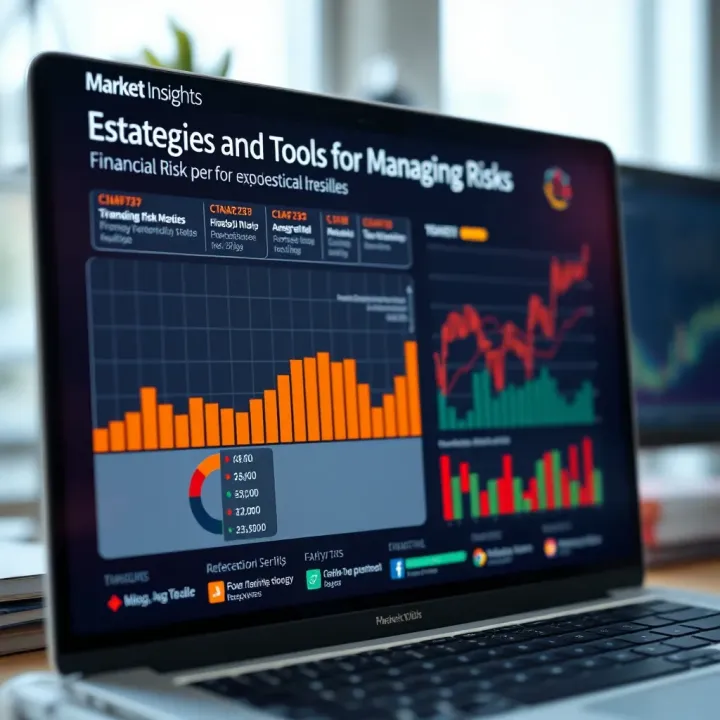
Explore financial risk types, management strategies, and legal insights with practical PDF resources designed for Kenyan professionals and students 📊📚
Based on 8 reviews