

Understanding Enterprise Risk Management Frameworks
Learn how Enterprise Risk Management frameworks help Kenyan businesses identify, assess, and manage risks to safeguard assets and achieve goals 📊🛡️.
Edited By
Isabelle Turner
Risk management frameworks are essential tools for Kenyan businesses aiming to safeguard their operations against unexpected challenges. Whether you run a small kiosk in Eldoret or manage a medium-sized manufacturing firm in Nairobi, understanding and applying a risk management framework can help you spot potential threats early and handle them effectively.
At its core, a risk management framework offers a structured approach to identifying, assessing, and controlling risks. For instance, a retailer using M-Pesa for payments might face risks like mobile money fraud or network downtime. With a proper framework, these risks are recognised, assessed for potential impact, and mitigated by measures such as staff training on fraud detection or backup payment systems.

A sound risk management framework doesn’t eliminate risks but equips businesses with clear steps to manage them swiftly and keep operations running.
Kenyan businesses often encounter specific risk categories including:
Operational risks: Interruptions from power outages, supply chain delays, or labour strikes.
Financial risks: Currency fluctuations affecting import costs or delays in payments leading to cash flow problems.
Compliance risks: Failure to meet regulations by KRA or county authorities, risking fines or licence suspension.
Market risks: Changes in consumer demand, competition from jua kali or formal sectors.
Effective frameworks include key components such as risk identification, risk analysis (measuring likelihood and impact), risk control strategies, monitoring, and communication across departments. For example, a Nairobi-based exporter regularly updates its risk log following fluctuating forex rates and shipping delays.
Implementing a risk management framework involves:
Assessing your business context: Understand the environment, market, and operating conditions.
Engaging stakeholders: Include managers, finance teams, and frontline staff who encounter risks daily.
Setting clear policies: Define roles, responsibilities, and processes for managing risks.
Training and awareness: Equip your team with knowledge and tools for early risk detection.
Regular reviews: Keep the framework alive by monitoring actual outcomes and making improvements.
Using local examples, like power interruptions due to load shedding or delayed goods from Mombasa port congestion, makes risk management practical and relatable to your business. Embracing this approach minimizes surprises, saves costs, and maintains your reputation.
In summary, risk management frameworks offer Kenyan businesses a clear path to spot risks early, respond smartly, and protect themselves in a dynamic economy. This guide will break down how to customise and implement these frameworks to match your specific needs and challenges.
Managing risks is not just about reacting when problems arise; it’s about understanding potential challenges and preparing for them. For Kenyan businesses, this means recognising threats early and putting clear steps in place to handle them. Risk management frameworks provide that structure. They offer a systematic way to identify, assess, and control risks that could disrupt operations, finances, or reputation.
Risk refers to any uncertain event or condition that can affect a business negatively. For example, a fluctuation in the forex rate can increase import costs unexpectedly, or a delay in government approvals might stall a construction project. Risk management is the process of anticipating such events and finding ways to reduce their impact or likelihood. It involves actively looking for weak spots in business operations and taking action before those risks turn into bigger problems.
A risk management framework formalises these actions into a repeatable, reliable process. It sets clear roles and responsibilities, defines how risks will be measured, and guides how decisions are made under uncertainty. For Kenyan businesses, having this framework helps in several ways:
Improved decision making: By understanding risks in detail, companies can invest wisely or avoid risky ventures without proper mitigation.
Resource optimisation: Prioritising risks means resources aren’t wasted on minor issues but focus on what really matters.
Regulatory compliance: With shifting laws in Kenya, especially around taxes and labour, a good framework ensures the business stays compliant and avoids fines.
Resilience: Businesses become better prepared to handle shocks, whether it’s sudden currency shifts or changes in market demand.
A notable example is a Nairobi-based export firm that used a risk management framework to hedge against currency volatility via forward contracts, saving millions of shillings yearly.
Without such a framework, businesses often react late, leading to bigger costs or missed opportunities. By embedding risk management into everyday operations, leaders can guide their teams confidently, knowing they are alert to threats and ready to address them efficiently.
That said, risk management isn’t just for big companies. Even small enterprises and startups benefit from recognising risks early, whether it’s supply chain delays or cash flow gaps. In Kenya’s dynamic business environment, a clear, practical risk management framework is a smart move to stay competitive and safeguard growth.
Understanding the common risks Kenyan businesses face is crucial. These risks can directly affect profitability and sustainability, making it necessary to handle them early. Identifying specific risks helps businesses design better frameworks to protect against financial losses, operational hiccups, and regulatory pitfalls.
Financial risks cover a range of issues, but currency fluctuations stand out for businesses engaged in import and export across Kenya’s borders. For example, a trader in Mombasa importing electronics from China may face significant losses if the Kenyan shilling weakens unexpectedly against the US dollar. Similarly, fluctuating interest rates set by the Central Bank of Kenya can affect loan repayments and borrowing costs for small and medium enterprises (SMEs).
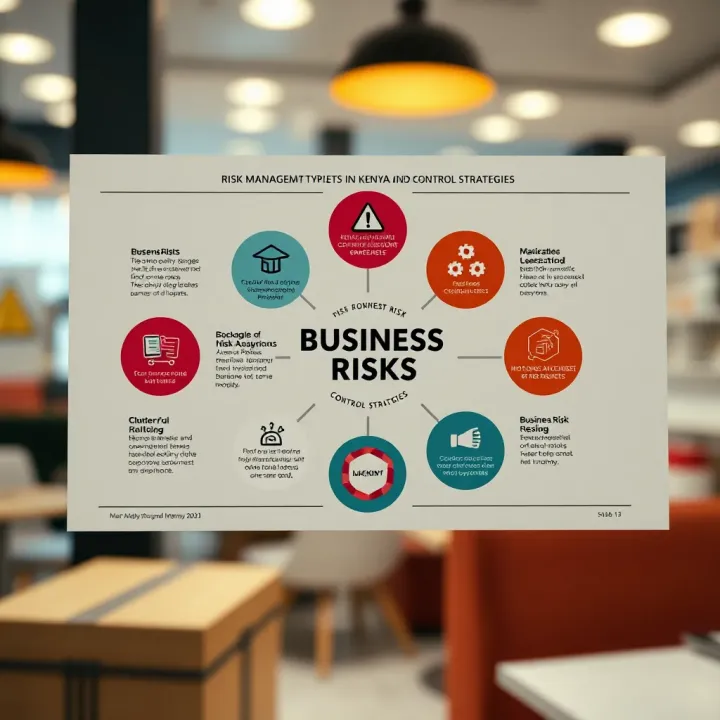
Without proper risk controls, businesses can find themselves overexposed to foreign exchange losses or cash flow problems during economic shifts. Incorporating hedging options or forward contracts through local banks can mitigate these financial risks.
Operational risks include any internal failures or disruptions that affect day-to-day functioning. In Kenya’s context, this might mean delays in matatu transport that affect delivery schedules, inconsistent power supply in Nairobi, or even disruptions caused by strikes within the jua kali sector. For example, a poultry farmer in Kiambu may experience feed delivery delays due to road closures or fuel shortages.
These risks can balloon into losses if not carefully mapped and addressed. Businesses need contingency plans that consider local transport, utility reliability, and supply chain vulnerabilities.
Kenyan businesses navigate a complex regulatory environment involving KRA taxes, county licences, NHIF and NSSF requirements, and sector-specific permits. For instance, a manufacturing firm in Eldoret might face penalties if it fails to comply with environmental laws or labour regulations.
Keeping up with shifting regulations, especially at the county level, demands a proactive approach. Non-compliance not only invites fines but can disrupt operations and damage reputation. Regular internal audits and liaison with compliance experts help businesses stay ahead.
Technology adoption has risen fast, but so have cyber threats. Many Kenyan businesses use M-Pesa and other mobile platforms for payment, exposing them to fraud and hacking risks. For example, small retailers in Nairobi using POS systems linked to mobile wallets are vulnerable to cyber scams if their systems are not adequately secured.
Besides fraud, tech glitches or data loss from cyber-attacks can paralyse operations. Investing in strong cybersecurity measures and staff training on phishing scams is critical to managing these technology risks effectively.
For Kenyan businesses, recognizing these varied risks allows for better preparation and stronger resilience against shocks. Each risk category demands tailored strategies ensuring the firm remains stable and compliant.
By focusing on these common risks, your risk management framework will be better positioned to shield your operations, helping you navigate Kenya's dynamic business environment.
Every Kenyan business that wants to stay afloat and competitive needs a strong risk management framework. At its heart, such a framework rests on core elements that make identifying, controlling, and monitoring risks systematic rather than random. This section breaks down key building blocks and how they hold practical value.
First, you must pinpoint what risks your business faces. This covers everything from currency fluctuations affecting import costs to operational setbacks like power outages common in some regions. Moving beyond guesswork, risk identification uses tools like SWOT analysis and risk mapping. After listing risks, assess their likelihood and impact. For instance, a Nairobi-based agro-exporter might judge drought risks as high impact but low frequency. This assessment helps prioritize risks that demand immediate attention, avoiding wasted resources on unlikely threats.
Once risks are clear, planning how to reduce or manage them comes next. Kenyan businesses often mitigate currency risks by negotiating contracts in stable currencies like the US dollar or using forward contracts at local banks. Operational risks might be tackled through backup generators to handle power cuts or diversifying suppliers outside Nairobi to avoid transport disruptions due to traffic jams or protests. The key here is selecting practical measures that fit your business size and sector instead of too complex solutions unattainable for SMEs.
Risks evolve, so a static plan won’t do. Businesses must regularly monitor risks and evaluate if mitigation works. This includes tracking indicators like fluctuating raw material prices or compliance changes from entities such as the Kenya Revenue Authority (KRA). Reports summarising risk status keep leadership informed and ready to act. Quarterly reviews ensure the framework adapts, for example, revising cyber-risk protocols as online threats grow more sophisticated. Clear documentation and open communication channels across departments help spot new risks early.
Strong leadership commitment is vital for risk frameworks to succeed. When top management visibly supports risk initiatives, it encourages staff participation and accountability at all levels. Kenyan firms benefit when leaders lead by example, promoting a culture that sees risk management as everyone’s responsibility rather than the duty of a single committee. A culture that rewards transparency and learning from mistakes helps organisations adapt faster, reducing costly surprises.
Without these core elements working together, risk management becomes a ticking time bomb instead of a shield. Kenyan businesses that embed risk awareness into their daily operations gain resilience and a competitive edge.
By focusing on these core elements, your business will not only prepare for challenges but also spot new opportunities with confidence. Risk management then shifts from being a chore to a strategic asset guiding smarter decisions.
Implementing a risk management framework helps Kenyan businesses organise their approach to spotting and handling risks before they escalate. Without clear steps, efforts to manage risk may be haphazard and ineffective. A structured process boosts confidence among investors, lenders, and partners by showing that the organisation is serious about safeguarding its assets and operations.
Start by defining what your risk management aims to achieve. Objectives might range from protecting company funds, ensuring compliance with laws, or maintaining operational continuity during disruptions. Narrow down the scope to relevant business areas or projects to keep your efforts focused and efficient. For instance, a mid-sized manufacturer in Nairobi may prioritise risks tied to supply chain delays and machinery downtime over wider, less immediate concerns.
Clear objectives guide how to assess risks and what controls to put in place. They also help communicate the programme’s purpose across the organisation, making the process relatable and actionable for everyone involved.
A risk-aware culture means employees understand the risks their roles carry and are encouraged to report issues without fear of blame. Leaders should model this openness by sharing lessons from past mistakes and recognising good risk management behaviour.
This culture can be fostered through regular communication, involving staff in risk discussions, and linking individual performance with risk objectives. For example, a retail chain in Mombasa might hold monthly meetings where store managers discuss theft incidents and share mitigation tactics, creating a sense of shared responsibility.
Kenyan businesses can use practical tools to streamline risk management. Risk registers help track identified risks, their severity, likelihood, and control measures. Software solutions, including basic spreadsheet templates or specialised risk management applications, adapt well to many sizes of business.
Techniques like scenario planning, SWOT analysis, and root cause analysis allow organisations to look beyond obvious risks and prepare for less likely but impactful events, such as political unrest affecting logistics or currency fluctuations hurting profits.
Investing in continuous training equips your team with up-to-date knowledge on identifying and managing risks effectively. Workshops, online courses, and peer learning can focus on specific risks relevant to your sector or operations.
For example, finance teams might receive targeted training on anti-money laundering regulations from Kenya Revenue Authority (KRA) updates, while production staff learn about safety protocols and machine maintenance from local safety experts.
Embedding risk management needs ongoing commitment and practical steps that match your organisation’s size, goals, and operating environment. By setting clear goals, nurturing a risk-aware culture, using the right tools, and building staff capacity, Kenyan businesses stand a better chance of avoiding pitfalls that disrupt growth or drain resources.
Implementing a risk management framework comes with a set of challenges unique to Kenyan businesses. Understanding these obstacles and learning from successful examples helps organisations avoid common pitfalls and tailor their risk strategies effectively. Also, aligning risk efforts with Kenya's regulatory environment ensures compliance and smoother operations.
Many Kenyan businesses, especially small and medium enterprises (SMEs), struggle with limited awareness of risk management benefits. Often, risk management is seen as a luxury rather than a necessity, particularly in sectors like jua kali (informal) where day-to-day survival takes priority. Another hurdle is the shortage of skilled personnel to develop and sustain these frameworks. For instance, many firms lack finance or operational staff trained in risk assessment methods.
Financial constraints also limit investments in risk tools or consultancy services. A small company might hesitate to allocate funds for comprehensive risk software when just keeping the business running is a challenge. Besides money, integrating risk management into existing processes can be difficult. Without clear leadership commitment, risk efforts might falter, becoming a tick-box exercise rather than a functional part of strategy.
Jubilee Insurance is a notable example where strong risk management practices helped navigate challenges like fluctuating foreign exchange rates and regulatory changes. They use a combination of internal audits and technology to monitor risks proactively. Another success story is Safaricom, which integrates risk management deeply within its operations, especially around cybersecurity, given its role in mobile money platforms.
These companies show that having well-trained risk staff, investing in relevant tools, and fostering a risk-aware culture can offer real advantages. For example, Safaricom’s continuous monitoring enables swift responses to threats, safeguarding customer trust and business continuity.
Kenyan businesses must keep up with regulations from bodies like the Capital Markets Authority (CMA) and Kenya Revenue Authority (KRA). Failure to do so can lead to penalties or business disruption. Best practice involves embedding compliance checks within the risk framework to ensure all new risks also meet regulatory demands.
For instance, a firm operating in manufacturing must account for environmental regulations from the National Environment Management Authority (NEMA). Incorporating regulatory risk reviews into routine assessments saves time and avoids costly non-compliance issues.
Building a risk management framework isn't just about spotting dangers; it’s about integrating those insights into daily decisions while meeting Kenya’s legal standards.
By recognising obstacles, learning from Kenyan examples, and aligning with legal frameworks, organisations can build resilient risk practices that protect them against shocks and improve decision-making.
Learn how Enterprise Risk Management frameworks help Kenyan businesses identify, assess, and manage risks to safeguard assets and achieve goals 📊🛡️.

Discover how Kenyan banks tackle credit risk with smart assessments, regulatory support, and practical strategies to keep finances safe and stable 📊💼
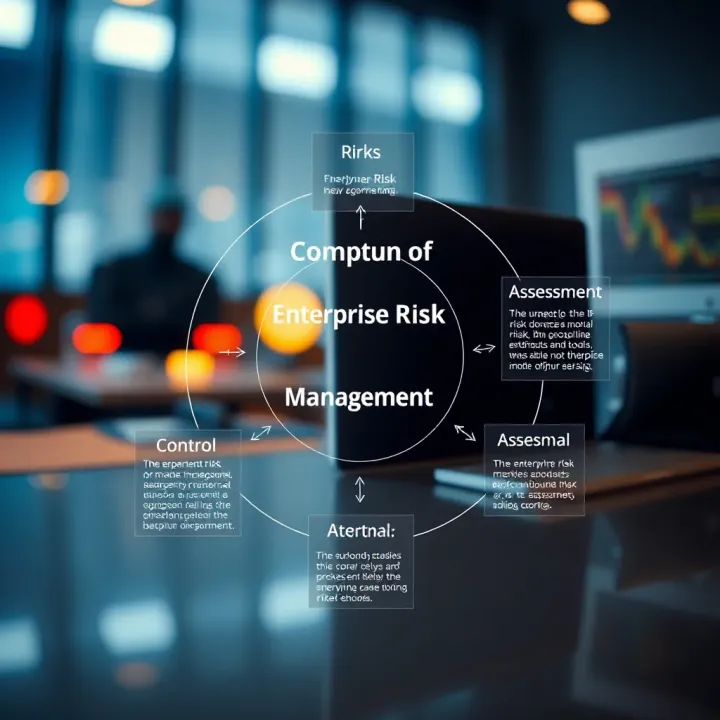
🔍 Learn how Enterprise Risk Management helps Kenyan businesses spot, assess, and manage risks. Practical tips and real examples to make ERM work for you.
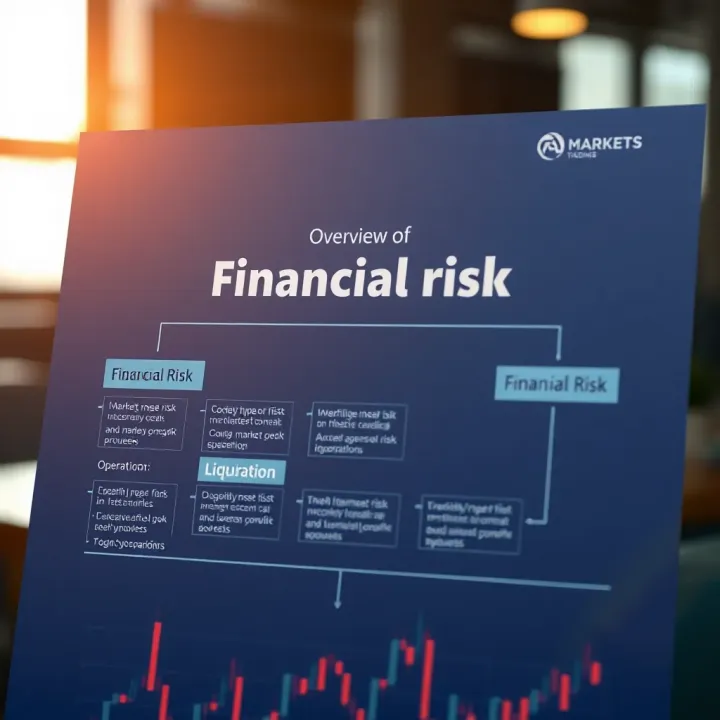
Learn practical financial risk management tools and strategies 📊 to identify, assess, and reduce risks, helping Kenyan businesses and investors safeguard assets. 💼
Based on 10 reviews