

Forex Trading Brokers in Kenya: Complete Guide
🌍 Explore top forex brokers in Kenya, learn how to pick the right one, understand regulations, platforms, payment methods, and avoid trading traps.
Edited By
George Whitaker
Forex trading in Kenya has grown rapidly, with many traders exploring opportunities on platforms supported by Safaricom and various international brokers. However, the volatile nature of forex markets means that risks are inevitable. Effective risk management is not just an option—it’s essential to protect your capital and ensure sustainable trading.
Managing risk in forex trading involves understanding the types of risks faced, such as market fluctuations, leverage exposure, and unexpected global events that can shake the forex rates. Kenyan traders often deal with additional challenges like currency controls and platform reliability, so adopting sound risk management strategies is crucial.
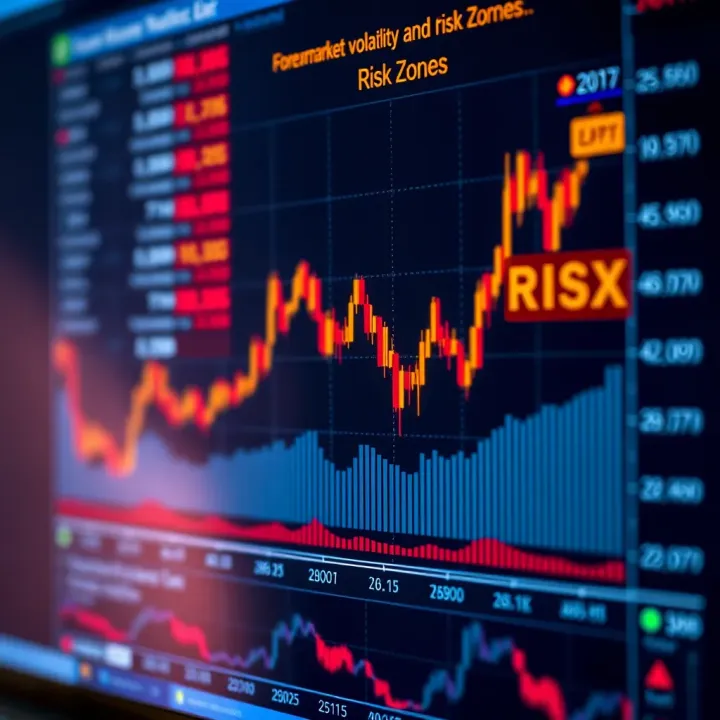
Practical tools like stop-loss orders help limit potential losses by automatically closing trades at predefined levels. For instance, setting a stop-loss 50 pips below your entry point ensures you won’t lose more than you planned. On top of that, position sizing based on a fixed percentage of your trading capital (commonly 1-2%) helps avoid putting too much money at risk on a single trade.
Decision-making should be guided by clear trading plans and discipline. Emotional reactions to market swings can lead to impulsive decisions, increasing losses. A disciplined approach using predefined entry and exit points, supported by technical and fundamental analysis, improves consistency and reduces risk.
"A disciplined trader who respects risk controls is more likely to maintain capital and seize long-term opportunities rather than chasing quick, risky wins."
Diversification within forex pairs and across different asset classes also spreads risk. While Kenyan traders might focus on major pairs like USD/KES or EUR/USD, exploring less correlated markets can cushion against sudden shocks.
In summary, managing risk requires a combination of tools, discipline, and realistic expectations. Whether trading on M-Pesa-enabled forex apps or international brokers, the goal remains the same: protect your investment and build steady growth.
Grasping the types of risks linked to forex trading helps Kenyan traders protect their capital and make informed decisions. Without understanding these risks, you could lose more than you expect, especially when trading on platforms that support payments via M-Pesa. Knowing what can go wrong allows you to prepare and use risk management tools more effectively.
Market volatility and price fluctuations are perhaps the most obvious risks. Forex prices shift constantly due to supply and demand changes, economic data, and global events. For example, a sudden decision by the Central Bank of Kenya (CBK) to adjust interest rates can cause the Kenyan shilling (KSh) to swing sharply against the US dollar. Such fluctuations can lead to unexpected gains or losses within minutes.
Leverage and margin risks involve borrowing funds from your broker to increase your trading capacity. While leverage lets you control larger positions, it also means losses can multiply quickly. Say you trade with 50:1 leverage; a 2% adverse price movement could wipe out your initial investment. Kenyan traders need to set leverage levels carefully and avoid using the maximum allowed to reduce this risk.
Liquidity risks arise when it becomes difficult to buy or sell currency pairs quickly without impacting the price. Some less-traded pairs, especially exotic ones involving African currencies, may see low trading volumes outside Nairobi business hours. In such cases, executing large trades could be costly or delayed, exposing you to price slippage.
Political and economic factors affecting currencies include elections, policy changes, or trade agreements. For instance, instability in a trading partner country or unexpected policy announcements can weaken currency values. Kenyan traders should keep an eye on regional developments, such as East African Community (EAC) matters or global commodity prices that affect the shilling.
Possible losses and margin calls happen when the market moves against you and your broker requires more funds to keep your position open. If you lack the extra capital, your position may be liquidated at a loss. This risk highlights why maintaining sufficient margin and having stop-loss orders in place is critical.
Impact of sudden currency swings can be severe for traders who are unprepared. For instance, unexpected announcements—like interest rate hikes by the US Federal Reserve—can cause rapid currency shifts that trigger big losses. Such events remind traders to monitor news and perhaps reduce trading exposure ahead of high-impact reports.
Role of emotions in increasing risk often worsens trading outcomes. Fear and greed can prompt impulsive trades or holding losing positions too long. Kenyan traders might, for example, chase losses after a bad day, increasing their risk. Keeping emotions in check and sticking to a well-planned strategy helps avoid unnecessary capital erosion.
Understanding these risks is not just about avoiding losses, but about making consistent, well-informed trading decisions that protect your capital and improve your chances for long-term success.
This knowledge sets the stage for applying risk management tools and developing disciplined trading habits tailored to the Kenyan forex market context.
Every trader needs solid tools to navigate forex markets safely. In Kenya, where forex trading often involves platforms linked with Safaricom's M-Pesa or international brokers, it’s vital to understand practical ways to manage risks. These tools help you protect your capital, reduce emotional stress, and improve chances of consistent returns.
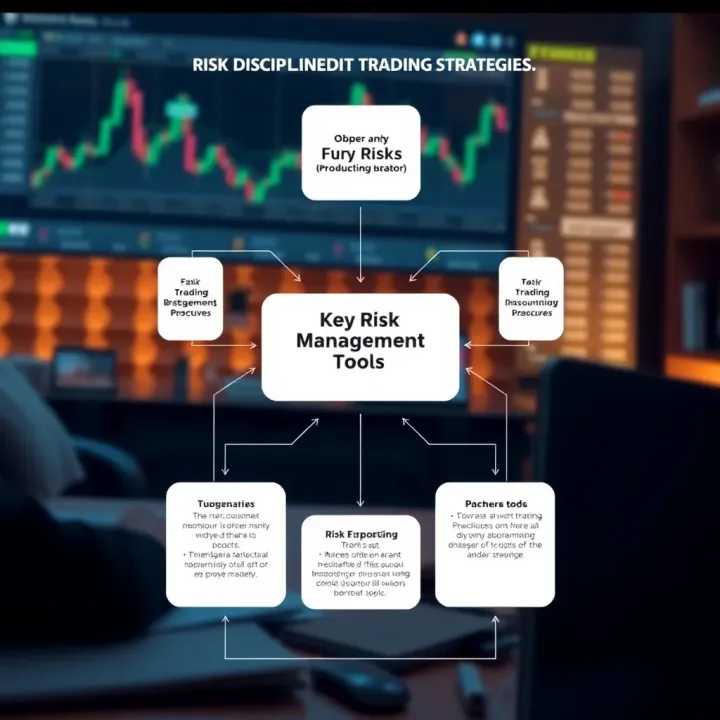
Stop-loss orders act as safety nets — they automatically close your trade when losses hit a certain point. This prevents deep losses from unexpected market swings. For example, if you buy USD/KES at KS10 and set a stop-loss 2% below, the system will sell before losses widen, saving you from wiping out your trading capital.
Take-profit orders work the other way, locking in gains by closing your trade when prices reach a favourable level. Setting realistic take-profit targets means choosing attainable goals, not hoping for the moon. For instance, aiming for 1–2% profit per trade aligns with typical market moves, which helps avoid premature exits or hanging on to trades that might reverse.
Balancing risk and reward is key. A mindful trader keeps stop-loss points tighter than take-profits to ensure that potential gains outweigh possible losses. A risk-reward ratio of at least 1:2 means your profits can easily cover losses from fewer winning trades.
Leverage lets you open bigger positions using less capital, but it doubles both profits and risks. Think of it like a boda boda — speeding might get you there faster but crashes hurt more. In forex, high leverage magnifies losses, not just gains.
For Kenyan traders, keeping leverage modest is wiser, especially if trading on platforms regulated by Kenya's Capital Markets Authority (CMA). Leverage ratios between 1:10 and 1:30 are generally safer, letting you control trades without risking more than you can lose.
High leverage is tempting but risky. It can quickly drain your account if the market moves against you even briefly. Avoid this by limiting leverage, using proper stop-loss orders, and not overexposing your account. By doing so, you reduce the chance of margin calls and forced liquidations.
Knowing how much to trade is as important as choosing what to trade. Position sizing means calculating trade amounts based on account balance and risk tolerance. For a KS00,000 trading account, risking 1% (KS,000) per trade helps keep loss manageable while staying active.
Spreading risks across multiple trades also smooths out ups and downs. Instead of betting all on one currency pair like EUR/USD, diversify to other pairs with less correlation like USD/JPY or GBP/USD. This approach cushions your overall portfolio from sudden moves.
Deciding how much capital to risk per trade depends on your strategy and comfort with losing that money. Conservative traders risk 0.5%-1% per trade; more aggressive ones may use higher but should do so only with experience. The rule is to protect your capital to trade another day.
Smart traders use these core tools to keep control, avoid emotional decisions, and weather market volatility. They form the backbone of effective risk management in Kenya’s forex scene where uncertainty is the norm rather than the exception.
Creating a risk-aware trading plan is vital for forex traders in Kenya who want to guard their capital and trade with confidence. A clear plan helps you define your boundaries, make decisions based on logic - not emotions - and adapt to changing market conditions. Without it, it’s easy to drift into impulsive trading or take unnecessary risks that drain your account.
Defining profit and loss thresholds means deciding upfront how much you aim to gain or are prepared to lose on any trade or during a trading day. For example, you may decide to close a trade once you've made a profit of KSh 10,000 or cut losses at KSh 5,000. This keeps your expectations realistic and prevents running positions too long in hope for big wins.
Establishing daily or weekly risk limits works similarly but on a broader scale. Say, you set a rule that you won’t lose more than 2% of your trading capital in a day. If losses hit this cap, you stop trading. This limits damage from bad streaks and forces you to step back, review your strategy, and avoid desperate attempts to recover losses.
Adjusting plans based on performance means regularly reviewing your results to fine-tune your goals and limits. If a particular strategy continually exceeds your loss limits, either adapt it or reduce your exposure. Likewise, consistent profits may allow you to increase your targets moderately. This ongoing process helps your plan stay aligned with market realities and your growing experience.
Using technical and fundamental analysis provides a foundation for safer trading decisions. Technical analysis looks at price charts, support and resistance levels, and indicators to predict likely moves. For instance, if a currency pair is bouncing off a known support level, it may be a good entry point. Fundamental analysis, on the other hand, examines economic data and news, such as interest rate changes or trade balances, that influence currency values.
Keeping track of Kenya’s economic events is especially important for traders dealing with the Kenyan shilling (KES) or related pairs. Events like Central Bank of Kenya (CBK) monetary policy meetings, inflation reports, or election periods can cause sudden currency swings. Staying updated on these helps you avoid surprises and adjust your trades accordingly.
Selecting currency pairs with manageable volatility controls risks too. For example, the USD/KES pair tends to be less volatile than exotic pairs like USD/TRY or GBP/ZAR. If you are new or prefer steadier trades, focusing on major or regional pairs reduces the chances of sharp price moves that might trigger stop-loss orders prematurely.
Having a written trading plan that sets clear goals, limits, and incorporates reliable market analysis improves your chances to manage risks well and protect your capital in Kenya’s dynamic forex scene.
By combining these elements, you create a disciplined approach that suits your risk appetite and market knowledge. This way, you trade with purpose and resilience rather than chasing uncertain gains and risking huge losses.
Maintaining discipline and emotional control is fundamental in forex trading, especially in Kenya's fast-moving markets. When you stick to your trading plan and keep emotions in check, you reduce the risk of costly mistakes that can wipe out your capital quickly. Forex markets can be unpredictable, but allowing frustration or greed to steer your trades often leads to losses rather than gains.
Recognising signs of emotional trading helps you prevent decisions driven by stress or excitement rather than clear analysis. For instance, after a losing trade, some traders rush to make big bets trying to recover losses quickly—a behaviour often called "revenge trading." This typically results in even greater losses. Other signs include repeatedly breaking entry rules or ignoring stop-loss levels just because you feel lucky. Such patterns usually indicate emotions overpowering logic.
Strategies to stick to your trading plan begin with clear rules for entry, exit, and risk limits. Writing down your plan keeps you accountable. Whenever tempted to stray, take a moment to reflect on your goals instead of acting on impulse. Some Kenyan traders find setting alerts or using automated orders helps them maintain discipline. Also, trading only during planned hours—not chasing every move—can limit rash decisions and fatigue.
Benefits of taking breaks during trading sessions are often overlooked. The forex market moves 24/5, but your concentration and judgement don’t last that long without rest. Stepping away helps clear your mind and reduces stress. After a break, you return more focused and better able to follow your plan. In Nairobi, where distractions can be many and internet interruptions common, pausing can make the difference between a good or bad decision.
Recording trades and outcomes provides a concrete record of your activity. By noting the currency pair, entry and exit points, position size, and reasons for each trade, you build an archive for review. This practice encourages accountability and reveals patterns that are easy to miss when trading spontaneously.
Analysing mistakes and successes through your journal gives insight into what works and what doesn’t. For example, if you see repeated losses after trading in volatile sessions without adjusting risk, that signals a need for change. Likewise, spotting strategies that consistently bring profit helps reinforce good habits. Kenyan traders often find reviewing their journal weekly keeps emotions in check and decisions grounded.
Adjusting risk strategies based on journal insights means continuously improving how much you risk per trade or choosing certain times to avoid trading. If your journal shows you lose more than you gain, especially during local economic announcements, you might reduce exposure during those periods. This evolving approach helps manage risk better, protecting your capital over the long haul.
Staying disciplined and managing emotions is as critical as technical knowledge in forex trading. By recognising emotional traps and using tools like trading journals, Kenyan traders can build resilience and improve outcomes steadily.
Selecting the right broker can significantly affect your success and security as a forex trader in Kenya. A reliable broker not only offers a smooth trading experience but also safeguards your investments through strong risk controls. This reduces the chances of unexpected losses caused by platform failures, fraud, or poor market execution. Therefore, knowing what to look for in a broker helps you trade with peace of mind.
Regulation by the Capital Markets Authority (CMA) in Kenya is a key mark of trustworthiness. CMA-regulated brokers must comply with strict rules designed to protect investors, including regular audits, reporting requirements, and client fund protection measures. Trading with a CMA-licensed broker means you're dealing with an entity that's accountable to Kenyan authorities and adheres to local standards.
Safety of funds goes beyond regulation. Many reputable brokers practise segregation of client funds, meaning your money stays in separate accounts from the broker's operational funds. This separation is crucial because if the broker faces financial trouble, your capital remains protected and accessible. Without this, there’s a risk your deposits could be used for the broker’s own purposes.
Another important factor is broker transparency. Check online reviews from other Kenyan traders and look for clear information on fees, spreads, and withdrawal processes. A broker that openly provides this data demonstrates professionalism. Beware of those with mixed or poor reviews, as these can signal hidden charges or unreliable services. Banks like Equity and KCB have seen customers shift away from brokers with poor transparency.
Strong risk management starts with the right trading platform. Look for brokers offering built-in tools like stop-loss orders, take-profit limits, and real-time margin alerts. These features help limit downside without needing constant supervision. For instance, platforms such as MetaTrader 4 and 5 are popular among Kenyan forex traders because they provide wide access to risk management options and allow easy customisation.
Integration with local payment options, especially M-Pesa, is equally critical. M-Pesa is the backbone for many Kenyan traders when funding accounts or withdrawing profits. A broker supporting M-Pesa deposits and withdrawals simplifies transactions and avoids additional charges or delays. This setup also enhances security since it allows direct, traceable payments without exposing bank details.
Good customer support and educational resources form the final piece. Reliable brokers offer quick, helpful assistance—preferably through multiple channels like phone, email, and live chat. They also provide learning materials tailored to Kenyan traders, such as webinars on local market analysis or guides on forex basics. This support empowers you to make informed decisions and manage risks smarter.
Choosing a broker with strong risk controls isn't just about technology or rules—it's about protecting your hard-earned shillings and enabling confidence as you navigate forex trading.
In summary, Kenyan traders benefit from brokers regulated by the CMA, transparent about their operations, and equipped with platforms offering practical risk features and easy payments. These qualities together create a safer trading environment that respects your capital and time.
🌍 Explore top forex brokers in Kenya, learn how to pick the right one, understand regulations, platforms, payment methods, and avoid trading traps.

Explore trusted forex trading companies in Kenya 🇰🇪, understand regulations, broker tips, and smart strategies for safer trading in this growing market 💹.

📚 Explore top Forex trading books perfect for Kenyan traders! Learn strategies, risk management, and market analysis to boost your trading skills and confidence.
Discover the best forex trading apps in Kenya 📱. Learn how to pick safe, user-friendly platforms with key features and tips for smart trading success.
Based on 14 reviews