
Forex Candlestick Patterns Every Kenyan Trader Should Know
📈 Discover key forex candlestick patterns every Kenyan trader should know. Learn to spot, understand, and use them for smarter trading decisions in forex!
Edited By
Oliver Trent
Reversal candlestick patterns are essential for traders looking to predict when a market might switch direction. These patterns provide visual clues on price charts that indicate a possible end to a current trend, whether upward or downward. In the context of Kenyan markets such as the Nairobi Securities Exchange (NSE), recognising these patterns can help investors make smarter decisions, especially in volatile sectors like banking or telecommunications.
Unlike continuation patterns that suggest the price will keep moving in the same direction, reversal patterns signal a turn. For instance, if a stock has been rising steadily, a reversal candlestick pattern might indicate it’s about to start falling. This gives traders an early chance to either cash out or prepare for potential losses.
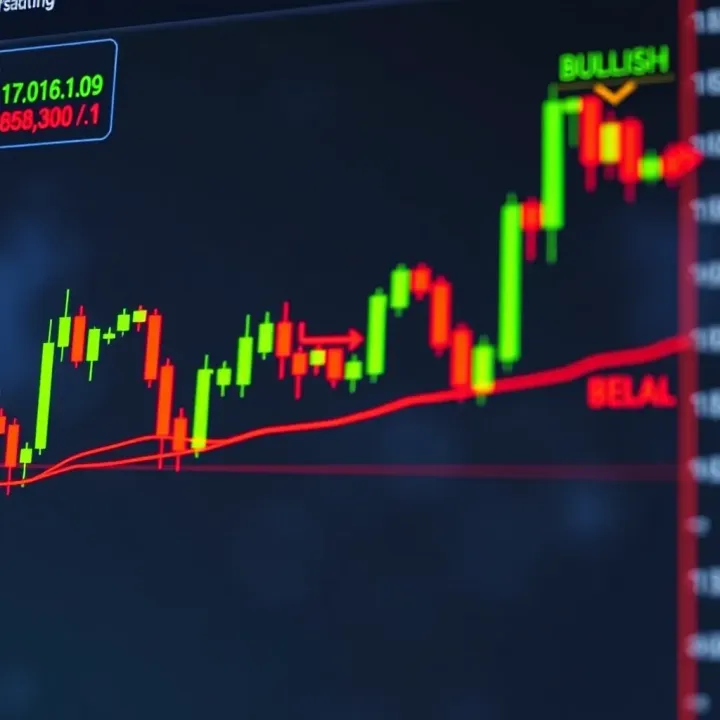
Common reversal patterns include the Hammer, Shooting Star, Engulfing, and Doji candles. Take the Hammer pattern: usually spotted after a price drop, it has a small body and a long lower wick, showing buyers stepping in to defend prices. This often suggests the downtrend could reverse soon.
Understanding and correctly interpreting reversal candlestick patterns requires attention to the market context and volume. Without these, signals might produce false alarms.
Here are some practical tips for spotting reversal patterns in Kenyan trading:
Look for patterns forming near key support or resistance levels—prices where stocks often stall or bounce back.
Confirm with other technical indicators like Relative Strength Index (RSI) or Moving Average Convergence Divergence (MACD) to avoid relying solely on price shapes.
Observe trading volumes; a reversal backed by increased volume tends to be more reliable.
By combining reversal candlestick patterns with broader market knowledge and technical tools, you can anticipate shifts more effectively and better navigate investments on the NSE or other regional markets. This approach helps minimise risks and opens opportunities for more profitable trades.
Reversal candlestick patterns offer traders a simple yet powerful way to read shifts in market sentiment. These patterns reveal moments when buyers or sellers lose strength, signalling a possible change in price direction. For a trader watching the Nairobi Securities Exchange (NSE) or forex markets, recognising these patterns early can mean the difference between catching a profitable move and holding onto a losing trade. For example, spotting a bullish reversal after a downtrend in Safaricom shares can be a cue to buy before prices rise.
Candlestick charts display price movements using individual 'candles' that represent a specific time period—like a day, an hour, or even minutes. Each candlestick has a body and wicks (also called shadows). The body shows the difference between the opening and closing prices for the period, while the wicks indicate the highest and lowest prices reached. This visual format makes it easier to grasp market mood at a glance, especially in the fast-paced Kenyan markets where price action can quickly change.
Understanding candlesticks helps you see the tug-of-war between buyers and sellers. When the body is long and green (or white), it means buyers pushed prices up strongly. Conversely, a long red (or black) body shows sellers controlled the session. Traders in Kenya often rely on M-Pesa trading platforms or charting apps to check these patterns, so knowing what the candles mean is essential.
The open and close prices mark where a session started and ended, showing whether the market gained or lost ground. The high and low prices capture extremes within that session. For instance, during a volatile day in the NSE, the price might spike briefly before settling back—candlesticks show these swings clearly.
Knowing these four points gives traders clues about market strength. If a candlestick closes near its high, buyers were strong till the end. Closing near the low suggests sellers dominated. Kenyan investors can use this info to tailor their strategies depending on whether they prefer short-term trading or longer-term positions.
Reversal candlestick patterns hint at changes from bullish to bearish trends or vice versa. This is vital because trading with the trend increases your chance of success. For example, if you're watching the FX market during volatile periods like election seasons, identifying a reversal candlestick can help avoid being caught on the wrong side.
Reversals signal when a trend has run its course. They often coincide with shifts in trader sentiment or new information entering the market, such as a CBK policy update or corporate results. Kenyan traders who understand these signals can better time their entries and exits, cutting losses or locking profits.
While reversal patterns indicate a direction change, continuation patterns suggest the current trend will keep going. For example, a bullish reversal might surface after a fall, signalling prices will rise next. On the other hand, a continuation pattern occurring in an uptrend hints prices will keep climbing.
Recognising the difference is key to smart trading. Using reversal patterns alone can lead to whipsaws in choppy markets like NSE’s small-cap stocks. Combining pattern analysis with volume or momentum indicators helps Kenyan traders confirm whether a trend is truly reversing or just pausing temporarily.
Tip: Always watch the bigger picture and combine reversal candlestick signals with other data to reduce false moves and improve confidence in your trades.
Reversal candlestick patterns play a significant role in helping traders identify potential turning points in the market. Recognising these patterns allows you to anticipate shifts in price direction, which can improve the timing of your trades and help manage risk better.
These patterns are broadly split into two groups: bullish reversal patterns signalling a possible upward move, and bearish reversal patterns hinting at a downturn. Understanding these key types will give you a sharper edge, particularly in volatile markets like the Nairobi Securities Exchange (NSE) or foreign exchange markets.
The Hammer appears after a downtrend and shows buyers starting to gain control. It has a small body near the top with a long lower wick, indicating price rejection at lower levels. The Inverted Hammer is similar but flips the wick above the body, suggesting potential buying pressure despite earlier selling.
In practice, spotting these at support levels on NSE stocks like Safaricom or KCB might hint at a reversal from a declining phase. However, confirmation with the next candle or volume increase strengthens the signal, reducing chances of false alerts.
This pattern occurs when a small bearish candle is followed by a larger bullish candle that 'engulfs' the previous one entirely. This shows a strong shift from sellers to buyers, often marking the end of a bearish trend.

In Kenyan markets, traders watching forex pairs such as USD/KES will find this pattern useful for timing entry after a pullback. Its clear visual can be easier to identify than fragmented signals, especially for those new to candlestick analysis.
The Morning Star is a three-candle pattern featuring a bearish candle, a small-bodied candle (star), and then a strong bullish candle. It signals a potential bottom and upward momentum starting.
For example, on local equities with recent downtrends, seeing this pattern near historical support levels can suggest a recovery phase is beginning. It’s particularly valuable because it combines hesitation and buying pressure clearly.
A Shooting Star appears after an uptrend and has a small body near the lower end with a long upper wick. It shows that buyers pushed prices higher but sellers took control before close, suggesting a possible reversal to the downside.
In Kenyan stock charts, this might appear around resistance levels of companies like Equity Bank or EABL. It warns of weakening bullish momentum, and traders often look for follow-through selling on the next day.
The Bearish Engulfing pattern is the reverse of the bullish version. A small bullish candle is swallowed by a larger bearish one, signalling that sellers have overtaken buyers decisively.
This pattern helps traders avoid holding onto long positions too late, especially in trending Kenyan Forex pairs or NSE stocks. When volume increases alongside it, the chance of a sustained decline rises.
The Evening Star is a three-candle pattern showing a transition from buying pressure to selling pressure: a bullish candle, followed by a small-bodied candle, then a strong bearish candle.
Its presence near recent highs on charts suggests market fatigue and selling interest growing. For Kenyan traders, this pattern gives a visual cue to take profits or tighten stops before possible downturns.
Recognising these reversal patterns and practising patience for confirmation will help you make smarter moves, avoid traps, and seize better trading opportunities in diverse market conditions.
Identifying reversal candlestick patterns on Kenyan markets is a key skill for traders aiming to anticipate shifts in price direction. Kenyan markets such as the Nairobi Securities Exchange (NSE) and the foreign exchange (FX) market often react to both local and global events, so spotting these patterns can help traders make timely decisions.
Understanding how the local market context affects candlestick patterns will improve your chances of recognising genuine reversal signals. For example, during earnings season on the NSE, a bullish hammer pattern after a downtrend could indicate strong buying interest from investors reacting to favourable company results. By contrast, the same pattern during a highly volatile market influenced by political uncertainty might be less reliable and need confirming indicators.
Market conditions in Kenya vary — sometimes stable with low volatility, other times erratic due to economic reports or election results. Reversal patterns are more reliable when the prior trend is clear, and volume confirms the shift. For instance, a bearish engulfing candle following a steady uptrend on NSE usually signals sellers gaining control. In contrast, the same pattern during a sideways or choppy market should be treated cautiously.
During volatile periods, such as the days leading up to budget announcements or external shocks like changes in oil prices, reversal patterns might appear frequently but be less dependable. Kenyan traders should therefore be selective, prioritising signals that form after a sustained move rather than erratic price swings.
The size of a candlestick body and its shadows (wicks) carry important clues about market sentiment. A large body with little wick shows strong conviction by buyers or sellers. For example, a long bullish candlestick after a downtrend often marks a genuine reversal, reflecting strong demand.
Conversely, a small-bodied candle with long shadows, such as a doji, reveals indecision. In Kenyan markets, where liquidity varies across stocks and times, these candles could mean a pause rather than a reversal. Pay attention to candlestick shapes like the hammer or shooting star. Their distinctive appearances hint at failed attempts to push prices further, often leading to a reversal.
False reversal signals commonly trick traders, especially in rapidly moving markets like Kenya’s forex pairs. These false signals can occur when a reversal pattern forms but the price continues in the original trend shortly after. For example, a morning star pattern on Safaricom shares may look promising but fail if external factors push prices down further.
To guard against this, check for confirmation from the next candlestick or use additional tools like volume. A genuine reversal usually sees increased volume supporting the move. Without this, the signal might be weak, indicating traders should wait before entering a position.
Watching for reliable confirmation helps avoid costly mistakes caused by premature entries or exits.
Traders often make the mistake of acting on just one reversal candlestick pattern without considering other technical or fundamental factors. In Kenyan markets, external influences like currency devaluation, interest rate changes by the Central Bank (CBK), or government policies can overwhelm candlestick signals.
Relying solely on one pattern may lead to whipsaws — quick losses caused by market noise. Instead, combine reversal patterns with technical indicators such as moving averages or the Relative Strength Index (RSI) to confirm momentum shifts. By integrating multiple signals, you increase the probability of making sound trading decisions.
In summary, recognising reversal patterns in Kenyan markets requires careful attention to market context, candlestick shapes, and confirmation signals. Avoid rushing into trades based on incomplete signals, and complement your analysis with additional tools and local market insights for better results.
Integrating candlestick patterns with other trading tools sharpens decision-making and reduces the chance of false signals. Candlestick patterns alone can indicate potential reversals, but pairing them with technical indicators and volume analysis increases confidence in trading actions. Kenyan traders, especially those active on the Nairobi Securities Exchange (NSE) or the forex market, benefit from a layered approach that blends patterns with measurable data points.
Moving averages smooth out price action, helping traders confirm the validity of a reversal candlestick pattern. For example, when a bullish reversal pattern like a hammer appears at or near a significant moving average—such as the 50-day or 200-day moving average—it adds weight to the possibility of a trend change. In practice, if the price closes above the moving average following the reversal pattern, it suggests that buyers are taking control. On the flip side, if a bearish reversal pattern emerges near a moving average and prices close below it, the downtrend may be strengthening.
This technique is particularly useful in volatile Kenyan markets where price swings can mislead traders. Using moving averages helps filter noise and focus on genuine reversal opportunities rather than quick spikes or falls.
The Relative Strength Index (RSI) is a momentum oscillator that signals whether an asset is overbought or oversold. When combined with reversal candlestick patterns, RSI can confirm if the market is ripe for a change in direction. For instance, spotting a bearish reversal pattern alongside an RSI reading above 70 indicates the asset might be overbought and due for a pullback.
Conversely, a bullish reversal pattern paired with an RSI below 30 shows oversold conditions, often signalling a good opportunity to enter a long position. For Kenyan traders dealing with forex pairs or equities on NSE, this combination is valuable as it balances price action with momentum, helping avoid premature entries or exits.
Volume acts as the silent confirmation behind candlestick patterns. If a reversal pattern appears but volume is low, it might mean traders are hesitant or the signal lacks strength. However, a reversal pattern accompanied by high volume usually shows stronger conviction from market participants.
For example, after spotting a morning star pattern on an NSE stock chart, checking if trade volumes surged during the pattern's formation can indicate if buyers genuinely stepped in. Increased volume on reversal days suggests genuine sentiment shifts, adding credibility to the pattern. Kenyan traders can monitor volume easily on most trading platforms to validate candlestick signals.
Candlestick patterns reflect the tug of war between buyers and sellers. Integrating this with other market data, like volume and momentum indicators, gives insight into trader behaviour. For instance, a shooting star candle indicates selling pressure at highs, but if combined with falling volume, it might suggest weak seller conviction rather than a strong reversal.
This context helps Kenyan traders avoid rash decisions based on isolated candles. By reading the full picture, including how candlesticks form relative to volume and technical indicators, traders better understand market sentiment and predict if reversals will hold or fail.
Combining candlestick patterns with technical indicators and volume analysis creates a balanced approach that enhances trading accuracy and reduces false alarms.
Understanding how to apply reversal candlestick patterns can make your trading strategy more precise and effective. These patterns signal potential market turning points, giving you clues about when to enter or exit trades. Using them wisely helps avoid emotional decisions and improves timing, especially in markets like the Nairobi Securities Exchange (NSE) or foreign exchange (FX), where price swings can be rapid and unpredictable.
When entering a trade based on a reversal candlestick pattern, setting a stop-loss is vital to protect your capital. For instance, if you spot a bullish hammer pattern on Safaricom shares suggesting a price rebound, place your stop-loss slightly below the low of the hammer. This way, if the market turns against you, losses are limited to a pre-defined safe level. The trick is to allow enough room to avoid premature stop-outs due to normal price fluctuations, but close enough to contain risk.
Reversal zones are areas where the price may shift direction, often identified by multiple candlestick patterns or key support and resistance levels. Managing your risk means avoiding large trade sizes here or using partial positions to test the market. For example, in the volatile FX market like USD/KES, reversals might not hold, so scaling in gradually helps limit losses if the pattern fails. Remember, no pattern is guaranteed; managing risk wisely around these zones is what keeps you in the game long term.
Kenyan markets can be quite volatile due to factors like political events, global commodity prices, or regional economic reports. Reversal candlestick patterns give you a framework to navigate this unpredictability but use them alongside news and event calendars. For example, during the March budget season, the NSE may react sharply, making reversal signals especially useful for spotting quick shifts. Still, always confirm with other indicators since false signals can increase in fast-moving markets.
Kenyan traders have access to platforms like the NSE Online Trading and FX brokers offering real-time charts and candlestick tools. These platforms often feature integrated indicators and alerts that help spot reversal patterns promptly. Additionally, local forums and groups on WhatsApp or Telegram provide community insights sharing pattern confirmations or cautionary tales. Using these local resources can improve your understanding and give timely updates suited to the Kenyan trading environment.
Successful trading combines technical tools like reversal candlestick patterns with prudent risk management and awareness of local market conditions. Applying these approaches thoughtfully helps Kenyan traders build consistent strategies that cope with market ups and downs effectively.
📈 Discover key forex candlestick patterns every Kenyan trader should know. Learn to spot, understand, and use them for smarter trading decisions in forex!
📈 Master key candlestick patterns with our detailed cheat sheet! Learn to spot market trends and improve your trading strategies today. 🔍💹

Master essential candlestick patterns for smarter trading decisions 📈. Explore practical tips and free PDFs to boost your chart analysis skills in Kenya and beyond.

📱 Explore the best forex trading apps for Kenyan traders! Learn how to choose, use, and manage risks with secure, user-friendly mobile platforms.
Based on 12 reviews