

Effective Credit Risk Management in Kenyan Banks
Discover how Kenyan banks tackle credit risk with smart assessments, regulatory support, and practical strategies to keep finances safe and stable 📊💼
Edited By
Sophie Turner
Operational risk management is a practical necessity for businesses in Kenya aiming to stay afloat and grow amid a dynamic economic landscape. This process involves identifying, assessing, and controlling risks that arise from everyday operations rather than financial or market factors.
In Kenya, operational risks can come from many angles: unreliable power supply that disrupts production, fraud within cash handling especially when using M-Pesa, delays in government licences or compliance issues, or even challenges in logistics due to poor road networks. Understanding and managing these risks helps businesses avoid losses that could severely affect profitability.

Effective operational risk management means making small, consistent improvements that prevent big problems later.
The basics of operational risk management in Kenyan businesses include:
Risk identification: Spotting risks early, such as theft in shops, system failures in tech firms, or seasonal disruptions during the long rains.
Risk assessment: Evaluating how likely these risks are and their potential impact on operations.
Control measures: Putting safeguards like improved staff training, digital record-keeping to deter fraud, or backup power solutions like generators.
Monitoring: Regularly checking that controls work and risks don’t slip unnoticed.
This is not a one-time exercise but a continuous effort, especially as Kenyan businesses face changes like new technology adoption, fluctuating exchange rates (impacting import costs), or evolving regulations from bodies like the Kenya Revenue Authority (KRA) and the Capital Markets Authority (CMA).
For finance professionals, brokers, and investors within Kenya, recognising robust operational risk management in companies offers insight into their resilience and long-term potential. Businesses that handle risks well tend to attract better investment and maintain steady growth even when external shocks hit.
Understanding operational risk management is thus a foundational step to navigating Kenya’s unique business environment effectively. It blends practical responses with foresight, helping businesses turn challenges into manageable parts of their daily operations.
Operational risk management involves identifying, assessing, and controlling risks that arise from a company’s day-to-day activities. For Kenyan businesses, this is especially key given the country’s dynamic economic environment, evolving regulations, and infrastructural challenges. Proper management helps firms avoid costly disruptions and maintain steady operations, which directly impacts profitability and sustainability.
Operational risk refers to the possibility of loss resulting from inadequate or failed internal processes, people, and systems, or from external events. Unlike market or credit risks, it touches on how a business runs daily. For example, a small retailer in Nairobi might face operational risks from unreliable suppliers or power outages, while a bank could encounter risks linked to system failures or fraud. These risks are often hidden but can cause significant damage if overlooked.
Managing operational risks covers various areas such as staff errors, technology breakdowns, fraud, and compliance with Kenyan laws. For instance, failure to comply with the Kenya Data Protection Act can lead to hefty penalties and damage to reputation. By establishing controls like proper staff training, clear procedures, and regular audits, businesses reduce the chances of these risks escalating.
Firms that integrate operational risk management into their core functions tend to spot issues early and respond faster, safeguarding their bottom line and reputation.
In addition, as more Kenyan companies embrace digital tools like M-Pesa payments or online inventory management, new operational risks emerge—such as cyber threats or system glitches. Effective risk management anticipates these challenges and creates buffers like backup systems or cybersecurity protocols.
In practice, operational risk management also improves decision-making. When you understand where weak spots are, you can allocate resources more wisely and enhance resilience. For example, a jua kali workshop that implements regular equipment checks and safety training lowers accidents, ensuring steady production and worker safety.
In summary, operational risk management is not just a compliance checklist but a practical approach to protect business continuity in Kenya’s fast-paced and often unpredictable landscape. It demands constant vigilance, clear policies, and adapting to local realities to keep businesses running smoothly and competitively.
Operational risks affect Kenyan businesses in many direct ways, from daily operations to long-term sustainability. Recognising and managing these risks helps firms avoid costly disruptions and maintain steady growth. These risks generally fall into two broad categories: internal and external. Each category carries distinct challenges that require specific strategies.

Internal operational risks arise from within the business itself. They mostly involve employees, workflows, and the underlying systems that support business activities. For example, human error in financial record-keeping can lead to misstatements that affect auditing and tax compliance. In Kenya, staff shortages or strikes can disrupt business continuity, especially in sectors like manufacturing or logistics.
Process weaknesses also pose significant risks. Imagine a firm relying on manual inventory tracking—it becomes prone to errors or stockouts, which means lost sales and dissatisfied customers. Systems failures, such as sudden breakdowns of IT infrastructure or poor cybersecurity, can stall operations and expose sensitive data to breaches. For instance, a growing Kenyan retail chain without proper IT backup may suffer major losses if its sales system crashes during peak trade seasons.
External risks come from outside the company and often depend on Kenya's unique economic and regulatory landscape. Market risks include price fluctuations, shifts in consumer demand, and competition pressures. A small agribusiness faces price swings due to seasonal harvests or export restrictions, affecting cash flows and profitability.
Regulatory risks are particularly pertinent in Kenya, where businesses must navigate complex laws from agencies like the Kenya Revenue Authority (KRA) and the Capital Markets Authority (CMA). Sudden policy changes or compliance failures can lead to penalties or suspension of operations. For example, new tax regulations around digital payments could disrupt how businesses receive money via M-Pesa unless systems quickly adapt.
Environmental risks cover challenges like floods during the long rains or drought impacting water supply. A Nairobi-based manufacturer dependent on consistent water access might find operations halted during dry spells, incurring downtime costs and supply chain delays.
Staying alert to both internal and external risks allows Kenyan businesses to act proactively. Understanding these risk sources helps tailor operational risk management efforts, making firms more resilient in a fast-changing market.
By pinpointing where risks lie—whether within staff and systems or from regulatory and market changes—businesses can create focused action plans. Regular risk reviews, staff training on compliance, and investing in reliable IT support are practical steps that firms across Kenya can adopt to stay ahead of operational threats.
An effective operational risk management (ORM) framework is essential for Kenyan businesses to identify, control, and monitor risks that could disrupt daily operations or affect financial performance. Such a framework not only safeguards a company’s assets and reputation but also helps ensure regulatory compliance and improves decision-making.
The first step involves recognising risks before they spiral out of control. Kenyan firms can use a variety of ways to spot operational risks, such as conducting regular internal audits, employee interviews, and process walk-throughs. For example, a jua kali workshop may identify supply chain delays caused by unreliable suppliers or transportation problems.
Assessment involves gauging the likelihood and impact of each risk. Tools like risk matrices or heat maps help rank these risks, making it easier for businesses to prioritise their response. Technology platforms can even automate data gathering on transactional errors or client complaints, providing real-time insights.
Once risks are identified and assessed, businesses must put controls in place. This could mean updating standard operating procedures (SOPs), investing in staff training, or introducing technological safeguards.
Consider a Kenyan SME that handles significant cash transactions. To minimise theft risk, it might enforce dual signatories for payments above KSh 50,000 or install CCTV in cash handling areas. Another example is introducing backup power solutions in Nairobi offices to counter frequent electricity outages.
Mitigation measures could also include insurance cover against specific operational perils, such as fire or theft, common concerns in Nairobi’s commercial districts.
Risk management is not a one-off task. Continuous monitoring ensures controls remain effective and new risks get detected early. Kenyan businesses can establish periodic reporting systems where department heads submit risk status updates.
Using simple dashboards or scorecards, management can track key risk indicators (KRIs) like system downtimes or compliance breaches. These reports help senior leaders take swift corrective actions. For instance, a bank might notice an increase in failed transactions, signalling a technology risk requiring urgent review.
Continuous feedback loops and transparent reporting build a risk-aware culture that enables businesses to adapt quickly in Kenya’s dynamic economic setting.
By focusing on these elements—identification, control, and monitoring—Kenyan businesses position themselves to manage operational risks proactively rather than reacting after damage occurs. This disciplined approach helps protect their growth and creates confidence among investors and regulators alike.
Managing operational risks effectively is vital for Kenyan businesses aiming to stay competitive and grow steadily. Unlike theoretical frameworks, practical strategies provide real-world tools companies can put to use immediately to spot hazards and minimise their impact. Kenyan firms, from SMEs in Nairobi to large enterprises in Mombasa or Kisumu, face unique operational challenges ranging from unreliable power supply to regulatory changes and market volatility. By adopting hands-on approaches tailored to these local conditions, businesses can shield themselves better and maintain smooth operations.
Creating a workplace culture that prioritises risk awareness is the foundation of managing operational threats. When all staff understand how their actions influence risks, they become active participants in prevention. For example, a Jua Kali workshop recognising the dangers of faulty electrical wiring can prevent fires before they happen. Leadership plays a crucial role by encouraging open communication about risks without blame. Clear policies on reporting incidents and near misses help nip problems in the bud. In practice, companies like Equity Bank encourage employees to flag risks through anonymous channels, fostering a transparent environment.
Technology offers Kenyan businesses a clearer view of their operational risks. Systems for inventory tracking, customer data management, or project monitoring create data streams that reveal where bottlenecks or anomalies occur. Take a supermarket chain in Nairobi that uses integrated point-of-sale and stock systems to spot theft or spoilage early. Additionally, employing cloud-based tools and mobile apps enables access to real-time information across branches, important for companies operating across regions. The use of analytics helps anticipate issues such as payment delays or supply disruptions, allowing management to respond proactively. It’s key that technology matches the scale and needs of the business, ensuring cost-effectiveness and staff readiness.
Equipping employees with skills to identify and respond to operational risks sharpens the entire organisation's resilience. Training programmes tailored for different levels— from shop-floor staff to senior managers— promote consistent understanding and application of risk management practices. For instance, a manufacturing firm in Kisumu might conduct quarterly workshops on machinery safety and emergency procedures, reducing downtime and injuries. Capacity building also extends to understanding regulatory compliance, especially with evolving Kenyan laws around data protection and tax administration. Engaging external experts or institutions like the Kenya Association of Manufacturers can enrich these initiatives. Continuous learning ensures those on the ground react promptly and appropriately when risks surface.
Practical strategies form the bridge between risk awareness and operational stability, empowering Kenyan businesses to survive challenges and seize new opportunities with confidence.
These approaches, combined, help make operational risk management a living, working part of daily business rather than a paper exercise. They suit the Kenyan context by focusing on relevant risks, real employee engagement, and affordable technology – all key for sustainable success.
Operational risk management (ORM) is no walk in the park for Kenyan businesses. Addressing the challenges realistically helps firms tighten their control and shield themselves from unnecessary losses. At the same time, looking at best practices reveals what works locally to keep operations smooth. Bringing these two views together helps business leaders build smarter, more resilient strategies.
Kenyan businesses face a distinct set of challenges when handling operational risks. For one, many SMEs struggle with limited resources and expertise to implement effective ORM frameworks. Without dedicated risk officers or enough training, critical risks—even simple process lapses—can fly under the radar until they cause real damage.
Another major hurdle is the rapidly changing regulatory environment. Keeping up with Kenya Revenue Authority (KRA) rules, National Environment Management Authority (NEMA) guidelines, and sector-specific regulations like those from the Capital Markets Authority (CMA) often overwhelms companies. For instance, a retail firm might fail compliance on labelling or import documentation, triggering fines and stock delays.
Technology adoption gaps also pose risks. Although digital tools like M-Pesa and cloud accounting are common, integrating these securely remains a challenge. Cybersecurity threats loom large, especially with inadequate staff training or outdated systems.
Lastly, local supply chain disruptions, such as delays caused by matatu strikes or erratic weather impacting transport, impose risks that are unique to Kenya’s context. Managing these external factors needs more than textbook solutions—it requires hands-on local knowledge.
Some Kenyan firms have shown how practical ORM turns challenges into competitive advantages. Take Equity Bank, for example, which has invested heavily in staff training and risk assessment tools. Their risk-aware culture helps them flag and respond to early warning signs like suspicious transactions or system glitches before they escalate.
Another good case is Twiga Foods, which uses data analytics to monitor supply chain risks. By tracking supplier reliability and transport patterns, they avoid costly stockouts and maintain steady delivery to urban retailers. They also work closely with regulatory bodies to ensure compliance, cutting fines and delays.
Furthermore, firms like KenGen have put emphasis on a robust incident reporting system that encourages all employees to report near misses or hazards without fear. This openness improves transparency and allows quick corrective actions.
Implementing tailor-made ORM solutions based on local realities helps Kenyan businesses manage risks effectively and sustain growth.
In summary: overcoming operational risk management challenges requires a blend of appropriate resources, ongoing staff development, technology use, and local-context solutions. Kenyan businesses that embrace these best practices not only reduce losses but also strengthen customer trust and regulatory standing.
Discover how Kenyan banks tackle credit risk with smart assessments, regulatory support, and practical strategies to keep finances safe and stable 📊💼
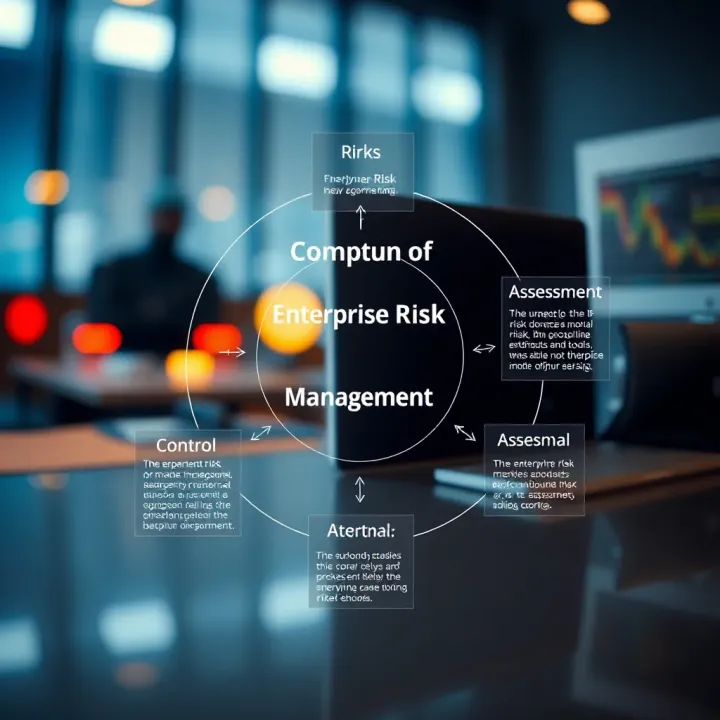
🔍 Learn how Enterprise Risk Management helps Kenyan businesses spot, assess, and manage risks. Practical tips and real examples to make ERM work for you.
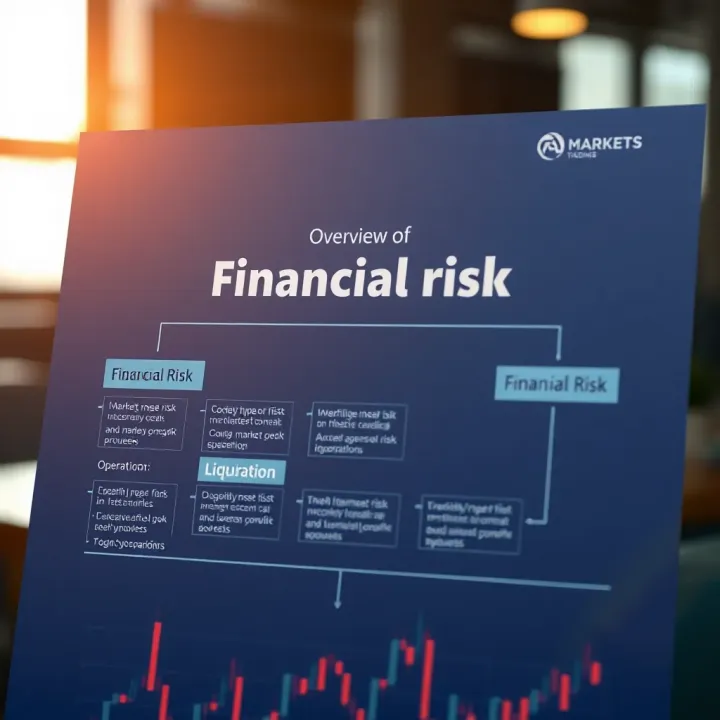
Learn practical financial risk management tools and strategies 📊 to identify, assess, and reduce risks, helping Kenyan businesses and investors safeguard assets. 💼

Discover practical strategies for disaster risk management in Kenya, focusing on community involvement, resource coordination, and building resilience 🌍💧🔥
Based on 5 reviews