
Understanding Forex Trading Charts
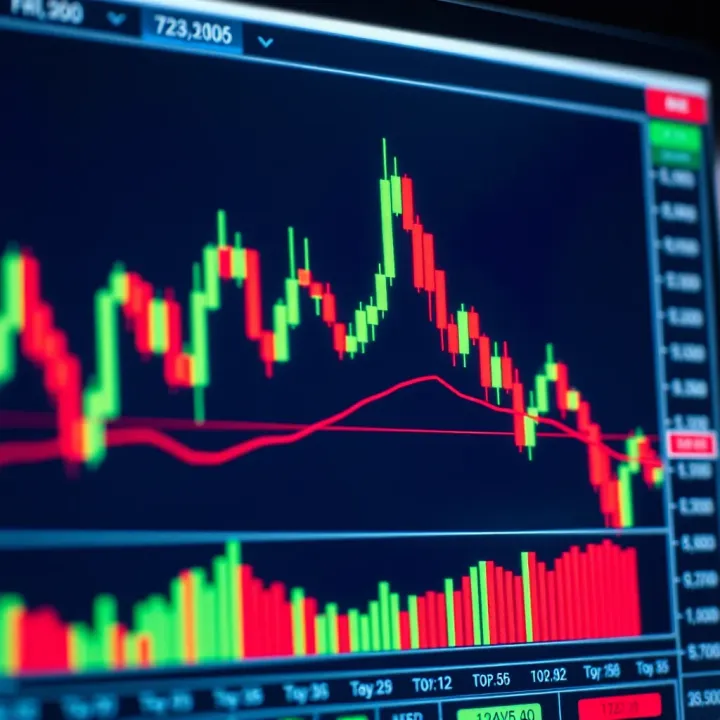
📊 Master forex trading charts to spot price shifts, trends, and opportunities. Learn how chart analysis guides smarter trades and better risk control in forex.
Edited By
Amelia Stevens
Many people often ask if forex trading is just another form of gambling. This question pops up because both activities involve risking money with the hope of making profits. However, the truth lies in understanding their key differences, especially when it comes to skill, strategy, and risk management.
Forex trading involves buying and selling currencies on the international market, influenced by real-world factors like economic indicators, political events, and market sentiment. For example, a Kenyan trader might analyse the Central Bank of Kenya's interest rate decisions or consider global oil prices before placing a trade. These are not random guesses but deliberate decisions based on research.
On the other hand, gambling, such as betting on a football match or playing roulette, mostly relies on chance and luck. While some strategies exist in gambling, the odds are generally stacked against the player, with the house holding a long-term advantage.
Understanding the role of skill is key: Forex trading rewards knowledge, disciplined strategies, and risk control, while gambling primarily depends on luck and chance.
Here are some clear markers that separate forex trading from gambling:
Skill and analysis: Successful forex traders use economic data, charts, and indicators to forecast currency movements. Meanwhile, gamblers typically rely on chance or incomplete information.
Risk management: Traders control their exposure through stop-loss orders and position sizing. Gamblers often bet fixed amounts without controlling the downside.
Probability: Forex trading assigns probabilities based on market data, allowing for informed decisions, unlike many gambling games where outcomes are mostly unpredictable.
Time horizon: Trading can be short or long term, with strategies adapting over time. Gambling usually involves immediate results with no room for strategy adjustment.
That said, forex trading comes with risks and can feel speculative, especially to beginners. Without solid education and discipline, one might trade like a gambler, risking money on hunches or tips instead of research.
For Kenyan traders, it's vital to approach forex with realistic expectations and a solid plan. Using reliable brokers registered with the Capital Markets Authority (CMA Kenya) and understanding how to use tools like stop-loss limits can help manage risks effectively.
In summary, forex trading is not gambling when done with proper skills, research, and risk control. It becomes gambling only when treated as a quick way to make money without strategy or understanding.
Understanding how forex trading works is essential to see why it differs from gambling. Forex trading involves buying and selling currencies with the aim of making a profit from their changing exchange rates. This activity is influenced by specific market forces and requires analysis rather than relying on pure chance. Knowing how the market functions helps traders develop strategies, manage risks, and avoid making rash decisions.
Forex trading means exchanging one currency for another in the hope that the exchange rate will move favourably. For example, if you believe the US dollar (USD) will strengthen against the Kenyan shilling (KES), you might buy USD and sell KES. Later, if the dollar rises, you can sell back the USD to KES at a better rate, thus making a profit. Unlike betting on luck, forex trading is about speculating on currency movements driven by real economic activity.
The forex market is the largest financial market globally, with daily trading volumes exceeding $6 trillion. Major participants include banks, central banks, hedge funds, corporations, and retail traders. The most traded currency pairs often involve the US dollar, Euro, British pound, Japanese yen, and, of course, the Kenyan shilling for local traders. Knowing which currencies are actively traded helps focus research and spot opportunities.
Currency prices respond strongly to economic data such as inflation rates, unemployment figures, and GDP growth. For instance, if Kenya's inflation rate rises unexpectedly, the Central Bank of Kenya (CBK) might adjust interest rates to stabilise the shilling. Such moves influence demand and supply of the currency. Traders watch these indicators and central bank policies closely to predict potential shifts.
Politics plays a role too. Elections, policy changes, or geopolitical tensions can create uncertainty, causing currencies to fluctuate. For example, ahead of Kenya's 2022 general elections, some forex pairs exhibited volatility as traders reacted to political developments. Market sentiment, driven by news or global events, influences traders’ confidence, which in turn moves currency prices.
Successful forex trading involves analysing these economic and political factors. Unlike gambling, it is about studying real data, staying informed, and making strategic decisions based on trends rather than leaving it to chance.
By grasping how forex markets operate and what drives currency values, traders can approach forex trading responsibly, recognising the risks while applying skill and knowledge to improve their chances of success.
Understanding how gambling differs from forex trading clears up common misconceptions about trading. This distinction helps traders approach forex with realistic expectations and better decision-making. Both activities deal with risk, but how that risk is managed and the factors influencing outcomes are very different. Comparing the two will highlight why trading is more about skill and strategy rather than pure chance.
Random outcomes in gambling typically rely heavily on luck. Take roulette, for example—the ball can land on any number, and no amount of strategy changes that. The result is unpredictable and usually outside the control of the gambler. This element of randomness means gambling outcomes follow probability but, in the long run, the house edge makes it difficult for gamblers to consistently win. That is why most gamblers lose money over time.
On the other hand, analysis and strategy in trading play a crucial role in deciding when and how to enter the market. Forex traders study economic reports, interest rate decisions by central banks, and geopolitics to predict currency movements. For instance, a trader might observe how the Central Bank of Kenya’s monetary policy impacts the Kenyan shilling against the US dollar and use that insight to time their trades. While uncertainty always exists, traders use strategies like technical analysis or fundamental analysis to improve their chances of profit. Unlike gambling, successful forex trading depends strongly on skill, preparation, and disciplined execution.
The house edge in gambling refers to the statistical advantage built into casino games. This edge ensures the casino earns money from gamblers over time, regardless of short-term wins or losses. Playing slot machines or betting on football matches has fixed odds that favour the house. Even with occasional wins, the expected value (average outcome) is negative for the gambler. This setup is why gambling is generally a losing proposition if done repeatedly without control.
In contrast, risk management in trading involves actively controlling potential losses and protecting gains. Traders apply tools like stop loss orders and position sizing to limit exposure on any single trade. For example, a forex trader may decide to risk only 1% of their trading capital on a particular position, setting stop losses accordingly. This approach lets traders contain losses and avoid betting the farm on one trade, a method impossible in gambling. Because risk management is deliberate and built on analysis, trading has a positive expected value for disciplined traders who stick to a well-thought-out plan.
While both gambling and forex trading involve risk, trading rewards knowledge and planning. Recognising these differences helps traders make informed choices and avoid treating trading like a roll of the dice.
By grasping these key distinctions — the role of skill versus chance and how expected value is treated — Kenyan traders can better appreciate why forex is not just gambling in another form. It requires learning, practice, and proper risk control rather than relying on luck alone.
Forex trading carries a reputation that often confuses many, especially those new to the market. Clearing up common misconceptions is vital to understanding that high risk does not automatically mean gambling. These myths might stop someone from exploring what forex trading truly involves or cause preventable losses by misguiding them. A clear grasp helps traders approach forex with realistic expectations and sensible strategies.
Understanding volatility and leverage is key for any trader. Currency markets naturally shift due to economic reports, political developments, or central bank moves. These ups and downs — called volatility — are not signs of randomness but responses to real-world events. Leverage, on the other hand, allows traders to control larger positions than their capital. While this amplifies profit potential, it also increases exposure to losses. For example, with leverage of 1:100, a KSh 10,000 deposit gives you control over KSh 1,000,000 in currency, so small price changes have bigger impacts.
Differentiating informed risk from blind bets separates trading from gambling. Informed risk means using research, analysis, and tools like technical indicators to decide when to buy or sell. These choices are based on patterns and economic data rather than guesses. Blind bets resemble gambling, where decisions rely on luck, intuition, or hearsay without considering market conditions. A forex trader following a plan with stop-loss orders and risk limits makes decisions partly on skill and discipline rather than chance.
Lack of knowledge and preparation is a major pitfall. New traders sometimes jump in expecting quick wins without understanding how the market functions or practising on demo accounts. This is similar to playing a complex sport without training—mistakes cost money. Learning about currency pairs, reading charts, and understanding leverage avoids reckless trades that drain capital.
Emotional trading and poor discipline cause many losses as well. Fear and greed often push traders to exit wins too early or hold losing trades too long, hoping markets reverse. For example, a trader might ignore stop-loss signals out of hope and end up with heavier losses. Sticking to a trading plan and managing emotions by journalling trades or taking breaks helps prevent impulsive decisions. Emotional control is as important as market knowledge to succeed.
Recognising these misconceptions encourages smarter, more responsible forex trading. Being aware of risks, educating yourself, and maintaining discipline turns trading into a skill-based activity rather than a gamble on luck.
In summary, high risk in forex does not equate to gambling when you apply analysis and manage exposure thoughtfully. Many losses come from lack of preparation or emotional mistakes, not market unpredictability alone. Understanding this distinction is especially helpful for Kenyan traders who want to engage responsibly and not fall prey to myths or scams.
Managing risks is key to trading forex without falling into the trap of reckless behaviour. Unlike gambling, responsible trading involves clear strategies to control potential losses and protect your capital. Without proper risk management, even the best trading strategies can fail, especially in volatile markets like forex. Traders who place bets blindly often lose more quickly than those who manage risks carefully.
A stop loss is a tool that automatically closes your trade once it reaches a certain loss level, preventing you from losing more than you can afford. For example, if you buy the US dollar against the Kenyan shilling (USD/KES) at KS10 but want to limit your loss to KS, setting a stop loss at that level ensures your position is closed if the price drops. Position sizing means trading with small portions of your total capital instead of risking too much on a single deal. If your trading account has KS00,000, risking 1–2% per trade (KS,000–2,000) keeps you in the game longer, even if several trades go wrong. Both stop loss and position sizing work together to protect your funds and keep psychological pressure manageable.
A trading plan is your roadmap before entering the market—it outlines when to buy, sell, and exit a trade based on clear rules. It includes risk tolerance, target profits, and how to react to market shifts. This plan helps avoid emotional decisions that often cause losses. For instance, a trader might decide never to risk more than 2% on a single trade and to close any losing position that drops 1% in value. Having this written down brings discipline and reduces snap decisions driven by hope or fear.
Markets are always shifting due to economic news, political events, and other influences. To trade responsibly, keep learning about these factors and update your strategies. Analysing charts, news, and economic data regularly helps you understand when to enter or exit trades. For example, after Kenya’s recent inflation data releases, a trader might reconsider positions on the Kenyan shilling considering possible Central Bank adjustments. Staying updated makes your trading adaptive instead of guesswork.
Responsible risk management doesn’t remove all losses but ensures they stay controlled, protecting your capital to trade another day.
By applying stop loss, smart position sizing, having a clear plan, and constantly studying the market, you trade with more confidence and less chance of gambling recklessly. This approach is what sets a serious trader apart from a gambler.
For Kenyan traders, understanding the local context is vital to navigate forex markets effectively and responsibly. The forex market operates globally, but local factors such as regulations, payment systems, and scam risks directly affect how Kenyans should approach trading. Getting familiar with these aspects helps minimise losses and ensures compliance with laws.
Kenya has specific rules governing forex trading, primarily set by the Capital Markets Authority (CMA). Traders should work only with brokers licensed by CMA to avoid fraudulent platforms. For example, some international brokers may not be authorised to operate locally, exposing traders to risks of losing funds without legal recourse. Checking the CMA’s list of approved brokers provides security and builds trust. Licensed brokers must comply with transparency standards, client fund segregation, and fair trading practices, which protect traders from unfair treatment.
One of the key benefits for Kenyan traders is access to familiar and convenient payment methods. Platforms that support M-Pesa, Airtel Money, or bank transfers within Kenya make deposits and withdrawals easier and faster. For instance, a trader funding their account via M-Pesa avoids high international bank charges or delays. Moreover, some brokers have integrated Lipa Na M-Pesa paybill or till number options, significantly streamlining the process. Using local payment options also eliminates confusing currency conversions and reduces risks of payment disputes.
The popularity of forex trading in Kenya has unfortunately attracted scams. Traders must be cautious when choosing platforms or deals that seem “too good to be true.” Red flags include promises of guaranteed profits, pressure to invest immediately, or unregistered brokers. It’s wise to research thoroughly by reading reviews, confirming regulatory status, and testing customer support responsiveness. Besides, reputable brokers and platforms often provide educational resources and clear risk disclaimers. Offline, avoid sharing your account or personal information indiscriminately, and be sceptical of unsolicited offers by phone or social media.
Successful forex trading in Kenya isn’t just about skills or luck; it depends equally on safe, legal, and smooth access to markets and funds.
By knowing these practical considerations — from licensing to local payments and spotting scams — Kenyan traders stand a better chance of trading reliably and confidently without falling prey to pitfalls common in unregulated environments.
📊 Master forex trading charts to spot price shifts, trends, and opportunities. Learn how chart analysis guides smarter trades and better risk control in forex.
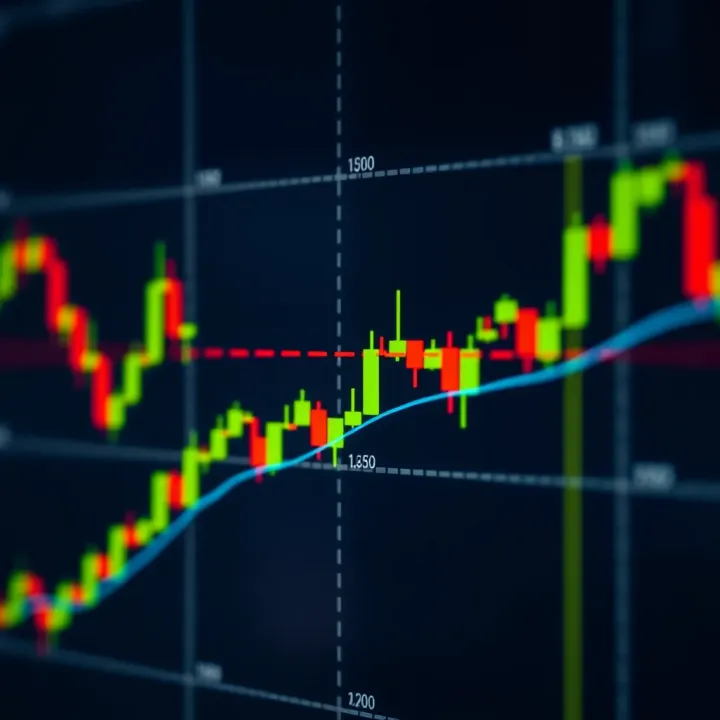
📈 Explore key Forex chart patterns to predict market moves and sharpen your trading skills. Gain practical insights tailored for Kenyan traders.
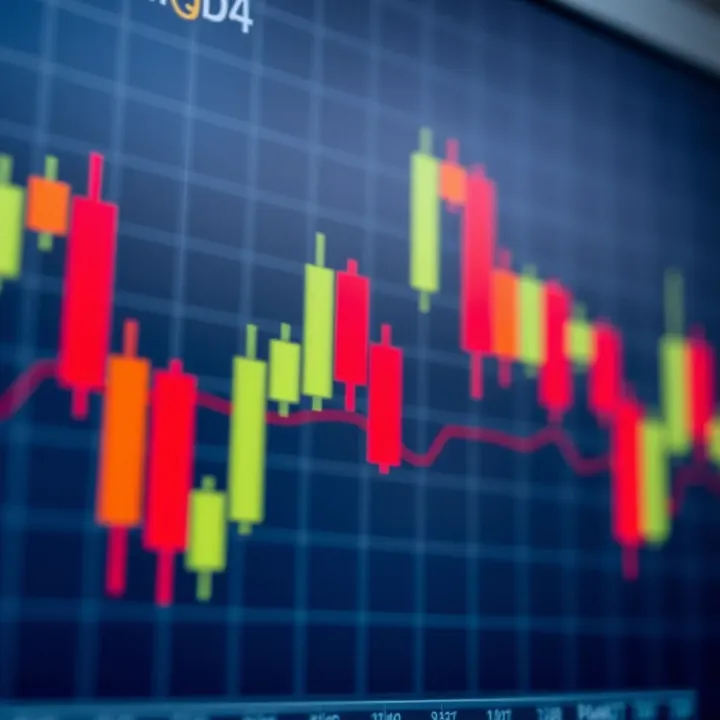
📊 Master candlestick patterns in forex trading with this guide tailored for Kenyan traders. Learn key setups and tips to boost your market moves effectively.
📈 Get a clear grasp of forex trading basics—currency market functions, key terms, strategies, plus tips on risk management & account setup for Kenyan traders.
Based on 9 reviews