

Forex Trading Brokers in Kenya: Complete Guide
🌍 Explore top forex brokers in Kenya, learn how to pick the right one, understand regulations, platforms, payment methods, and avoid trading traps.
Edited By
Amelia Warren
Forex trading in Kenya has gained noticeable interest as people look for new ways to make money beyond the traditional jobs and business ventures. With access to the internet and mobile services like M-Pesa, Kenyans now have more tools than ever to participate in global currency markets. However, jumping in without knowing the ropes tends to lead to disappointment or worse.
This guide helps you move beyond the basics and into practical steps for starting forex trading safely and effectively. Unlike many general articles, here you'll find clear information tailored to the Kenyan regulatory environment, payment options, and market specifics.
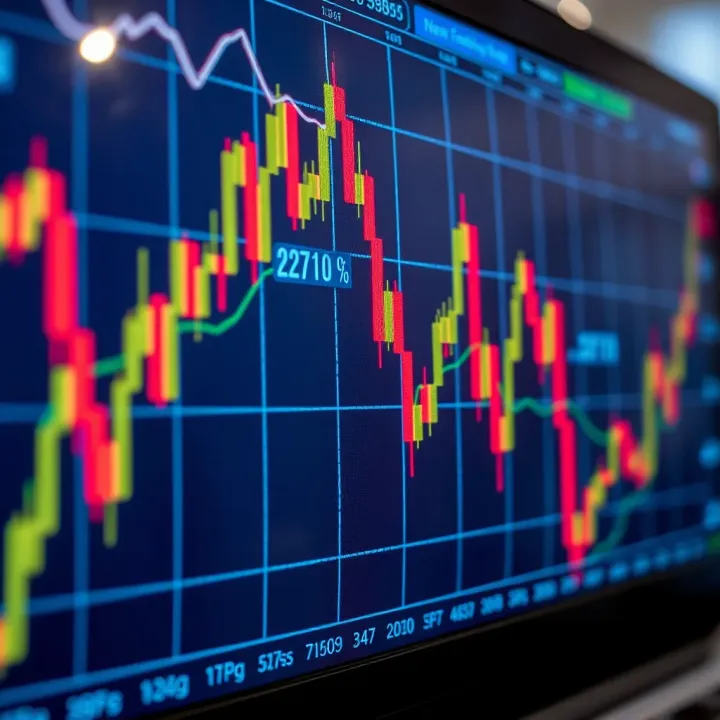
Simply put, forex trading means buying one currency while selling another at the same time, aiming to profit from fluctuating exchange rates. For example, you might buy US dollars against the Kenyan shilling if you expect the dollar to strengthen.
Forex is popular because it operates 24 hours during weekdays and offers high liquidity. Traders work on small price movements with leverage, but this also brings risks.
Before you start, ensure the broker you choose complies with the Capital Markets Authority (CMA) regulations and is authorised to operate in Kenya. Using unregulated platforms could expose you to scams and loss of funds.
Kenya’s CMA regularly updates the list of licensed forex brokers. Always check their website before handing over your money.
Many brokers now accept deposits via M-Pesa or bank transfers in Kenyan shillings (KSh). Compared to international wire transfers, this saves time and reduces fees.
When selecting your broker, focus on these qualities:
Local payment options like M-Pesa or Paybill
User-friendly trading platform suitable for different devices
Transparent fee structures and no hidden charges
Reliable customer support reachable during Kenya’s trading hours
Once your account is ready, practise with a demo before risking real funds. This allows you to understand the platform’s tools and test strategies.
Forex trading can be tempting because of leverage, but it can just as easily wipe out your money. Use stop-loss orders to limit losses and avoid chasing the market on impulse.
Remember, consistent success comes with patience, solid learning, and disciplined money management rather than quick wins.
This guide will walk you through the step-by-step process so you can trade with confidence, knowing the local laws and techniques important to Kenyan traders.
Forex trading involves buying and selling foreign currencies with the aim of making profit from fluctuations in exchange rates. In Kenya, this activity has caught many attention because it offers a chance to engage in global markets right from the comfort of your home or office. Knowing what forex trading entails helps you grasp the risks and rewards before diving in.
At its core, forex trading is about exchanging one currency for another. For example, you might buy US dollars using Kenyan shillings, hoping that the dollar will strengthen against the shilling. If the exchange rate moves in your favour, you sell the dollars back at a higher rate and make a profit. Traders use platforms that offer live data, charts, and tools to analyse market trends.
Trade happens in pairs, such as USD/KES or EUR/KES, meaning you’re always buying one currency and selling another. The markets operate 24 hours a day during weekdays, which allows you to trade at any convenient time. However, understanding market indicators, geopolitical factors, and economic reports is essential since they directly affect currency values. For instance, a decision by the Central Bank of Kenya on interest rates can cause swift changes in the KES exchange rate.
The appeal of forex trading for many Kenyans lies in its accessibility and potential for profit. Unlike traditional investments requiring large capital, you can start trading with relatively small amounts, sometimes as low as KSh 1,000. Plus, the rise of M-Pesa and mobile internet has made depositing and withdrawing funds seamless.
Additionally, the forex market’s liquidity means trades can execute quickly, giving active traders a chance to capitalise on short-term price movements. The global nature of forex trading also diversifies earning opportunities beyond local economic conditions. For instance, when the shilling weakens, traders can buy foreign currency to hedge against inflation or loss of purchasing power.
That said, many are drawn by stories of fast gains, but it comes with significant risk. Being informed about market dynamics and having a clear strategy is necessary to avoid losses. Also, for some, forex offers a form of side hustle alongside other work, fitting well with Kenya’s hustler economy.
Understanding how forex works and why it attracts many Kenyans is a vital first step. It provides a foundation for making informed choices and sets realistic expectations before committing money or time to trading.
By grasping these points, you’ll be better prepared to evaluate brokers, deposit funds safely, and manage risks effectively as you start your forex trading journey in Kenya.
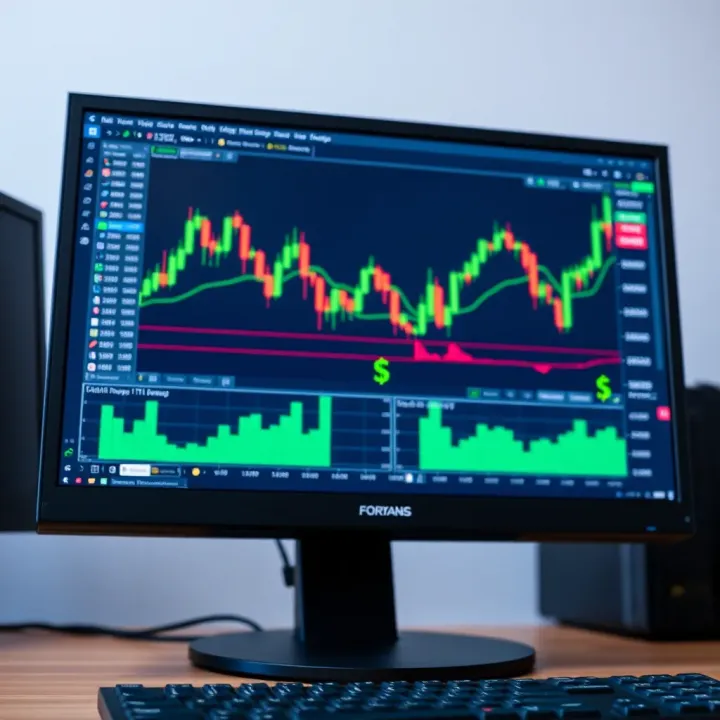
Navigating the legal framework is essential for anyone interested in forex trading in Kenya. Understanding the regulations ensures you trade with confidence, avoid scams, and comply with tax obligations. Without this knowledge, traders can easily fall into traps set by unlicensed brokers or face legal penalties.
The Capital Markets Authority (CMA) is the key regulator overseeing all forex trading activities in Kenya. It issues licences to forex brokers, monitors their operations, and enforces compliance with local laws. For example, the CMA launched a public registry where you can check if a broker is licensed before opening an account. This prevents you from dealing with fraudsters who often promise unrealistic returns.
Besides licensing, the CMA also protects investors by ensuring transparency in the market and requiring brokers to maintain adequate capital for operations. Their oversight helps maintain market integrity and reduces the risk of sudden broker failures damaging traders' investments.
Before starting, always verify a broker’s licence status through the CMA’s official resources. A licensed broker will display their CMA licence number clearly on their website and trading platform. You can cross-check the number on the CMA’s list of authorised firms.
Beware of brokers claiming foreign licences without local authorisation, as the CMA regulates forex trading specifically within Kenya’s borders. If you find a broker whose name doesn’t appear on the CMA list, avoid trading with them. It’s also useful to read reviews and ask fellow traders about their experiences to identify trustworthy brokers.
Profits made from forex trading are subject to taxation under the Kenya Revenue Authority (KRA). Traders must declare their income and pay taxes accordingly, typically treated as business income or capital gains tax depending on the circumstances.
KRA’s iTax platform allows individual traders to file returns and declare earnings from forex activities. Failure to report profits can lead to penalties or legal issues down the road, so keeping accurate records of trades and profits is important. For instance, if you earn KSh 200,000 profit from forex trading, you’ll pay tax at the prevailing income tax rates applicable to your overall income bracket.
Staying informed about the CMA regulations and KRA tax rules equips you to trade forex responsibly and legally in Kenya. Don’t overlook these steps — they safeguard your investments and keep you on the right side of the law.
By understanding the legal framework, verifying your broker, and fulfilling your tax duties, you position yourself for a smoother forex trading experience in Kenya. This foundation is what separates serious traders from those prone to costly mistakes.
Choosing the right forex broker is a key step for any Kenyan trader looking to succeed in the forex markets. Since the forex market is largely unregulated outside the oversight of bodies like the Capital Markets Authority (CMA), finding a reliable broker ensures your funds and personal details remain safe. A good broker also offers platforms that suit your trading style and local payment methods, helping you operate smoothly without unnecessary hurdles.
Start by checking whether the broker is licensed and regulated by the CMA or recognised international regulators like the Financial Conduct Authority (FCA) or Australian Securities and Investments Commission (ASIC). This reduces the risk of fraud or unfair practices. Look at the broker's trading platform—Metatrader 4 (MT4) and Metatrader 5 (MT5) are popular because they are user-friendly and widely supported.
Consider the trading costs, including spreads and commissions, since these directly affect your profitability. Some brokers provide fixed spreads, which can be better for beginners, while others offer variable spreads that change with market conditions. Also, verify the minimum deposit required; some brokers let you start with as little as KS,000, which is great if you're cautious about initial investment.
Payment options matter too. As a Kenyan trader, you want a broker that accepts deposits and withdrawals through M-Pesa or other popular mobile money platforms. This convenience can save you time and reduce extra charges.
Customer support is another critical factor. A broker with responsive, knowledgeable support can help resolve issues fast, so test this by reaching out before opening an account.
Several brokers have established a strong reputation among Kenyan traders. For example, Exness offers tight spreads, flexible leverage, and supports M-Pesa deposits. HotForex is known for its range of account types and good educational resources, catering well to beginners and more advanced traders.
XM is another favourite, providing low minimum deposits and multilingual support, which benefits Kenya's diverse population. Meanwhile, Pepperstone offers competitive pricing and excellent platform technology but may require a higher minimum deposit.
Before settling on a broker, try their demo accounts to experience their platform without risking real money. This helps you evaluate if the broker’s terms and technology match your trading needs.
Picking the right forex broker will shape your trading experience. It affects everything from how easily you can deposit funds to the fairness of your trading costs and the support you’ll get when challenges arise.
To sum it up, focus on regulation, cost, platform quality, payment methods like M-Pesa, and customer service. Testing brokers with demo accounts first can save you headaches later. Selecting wisely means you’ll trade with confidence in the fast-moving forex arena from the heart of Kenya.
Opening a forex trading account and placing your first trade are key milestones for anyone keen to enter the Kenyan forex market. This stage moves you from theory to practice, allowing you to engage directly with currency pairs and the market dynamics. Knowing how to register properly, fund the account, and use the trading tools ensures you avoid common pitfalls and start on a sound footing.
Registering an account starts with choosing a reputable broker, ideally one licensed by the Capital Markets Authority (CMA). You will need to provide identification documents such as a national ID or passport, and proof of residence to comply with know-your-customer (KYC) regulations. Most brokers also ask you to fill out a questionnaire assessing your trading experience.
Funding the account has become easier for Kenyan traders thanks to local payment options. Many brokers accept payments in Kenyan Shillings (KSh) and offer various deposit methods.
M-Pesa remains the most popular and convenient way to fund forex accounts in Kenya. Some brokers allow direct deposits via M-Pesa, enabling instant transfer without going through bank accounts. For example, a trader can deposit KS0,000 from their M-Pesa wallet to their trading account with minimal hassle.
Besides M-Pesa, other options include:
Bank transfers through local banks like Equity or KCB
Credit and debit cards such as Visa and MasterCard
E-wallets like Skrill or Neteller, though these are less common locally
Choosing a method depends on ease of use, deposit fees, and withdrawal speed. M-Pesa usually stands out for its speed and wide availability.
Once your account is funded, you need to familiarize yourself with the trading platform provided by your broker. The most widely used platform is MetaTrader 4 (MT4), known for its user-friendly interface and range of analytical tools. MetaTrader 5 (MT5) offers additional features but has a steeper learning curve.
Other platforms gaining ground include:
cTrader: Preferred for advanced traders seeking detailed analytics
WebTrader: Browser-based platform requiring no downloads, good for beginners
Essential tools you should get comfortable with include charts that track currency pair movements, indicators like moving averages, and order types such as market and limit orders.
Starting your trading journey with the right setup—complete registration, timely funding using familiar payment methods, and mastering your trading tools—lays a strong foundation for success in Kenya's forex market.
By taking these steps carefully, you avoid delays and maximise your chances to trade confidently and with control over risk.
Successful forex trading in Kenya is not just about making quick profits but also about understanding how to manage risks and grow your skills steadily. Given the volatile nature of forex markets, a solid grasp of risk management can be the difference between consistent gains and heavy losses.
Forex trading exposes you to several risks, starting with market volatility. Prices can swing unexpectedly due to global events or economic indicators, like US Federal Reserve interest rate changes or Kenya’s inflation reports. To avoid big losses, never risk more than a small portion of your trading capital on one trade—many traders stick to 1-2% of their account per trade.
Leverage is another common risk. While it can amplify profits, it equally multiplies losses. Using high leverage without adequate experience is like driving a matatu at full speed through Nairobi traffic without brakes. Start with low leverage and increase only when you understand the market better.
Beware of scams as well. Many unlicensed brokers promise guaranteed profits; however, these often cause traders to lose funds. Always trade with brokers registered by Kenya’s Capital Markets Authority (CMA).
Practising with a demo account is crucial before you put real money on the line. Demo trading mimics live market conditions using virtual money, letting you test strategies without financial risk. Kenyan traders can use demo accounts by brokers like HotForex or XM, which support M-Pesa deposits once you switch to a live account.
Besides demo trading, continuous learning gives you an edge. The forex market evolves constantly, influenced by world events, technological shifts, and new trading tools. Consider following local forums, enrolling in online courses with platforms like Coursera or Udemy, and reading analysis from trusted sources like Business Daily or CMA newsletters.
A well-crafted trading plan guides your decisions and limits emotional reactions. In Kenya, where foreign exchange rates can be influenced by factors like election outcomes or trade balances with the East African Community (EAC), your plan should consider these local influences.
Start by defining your trading goals and risk tolerance—what percentage of your capital are you prepared to lose? Detail your entry and exit rules clearly, such as using technical indicators like moving averages or support and resistance levels.
Keep records of your trades to identify patterns and mistakes. With this data, adjust your plan responsively. For instance, if you notice losses consistently during Kenya’s budget announcement weeks, you might choose to reduce trading during that period.
Managing risk and upgrading your skills together build resilience and confidence. Remember, forex trading is a marathon, not a sprint.
Taking time to manage risks wisely, practising with demos, and building a trading plan tailored for Kenyan dynamics will help you stay steady in this fast-moving market. This approach reduces surprises and improves your chances of sustained success.
🌍 Explore top forex brokers in Kenya, learn how to pick the right one, understand regulations, platforms, payment methods, and avoid trading traps.

Explore trusted forex trading companies in Kenya 🇰🇪, understand regulations, broker tips, and smart strategies for safer trading in this growing market 💹.

📚 Explore top Forex trading books perfect for Kenyan traders! Learn strategies, risk management, and market analysis to boost your trading skills and confidence.
Discover the best forex trading apps in Kenya 📱. Learn how to pick safe, user-friendly platforms with key features and tips for smart trading success.
Based on 14 reviews