
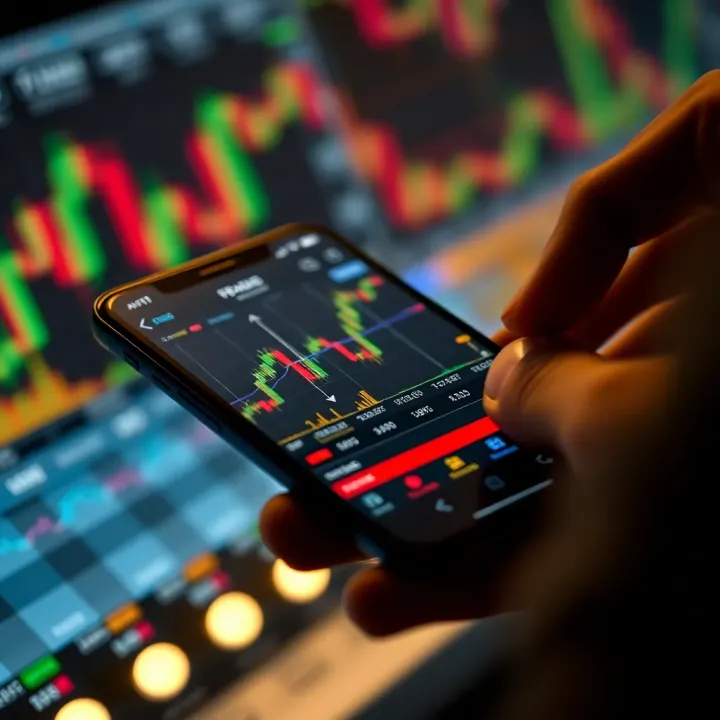
Choosing the Best Forex Trading Apps in Kenya
📱 Explore the best forex trading apps for Kenyan traders! Learn how to choose, use, and manage risks with secure, user-friendly mobile platforms.
Edited By
Jack Morrison
Forex trading, also known as foreign exchange trading, is the buying and selling of currencies to make a profit. In Kenya, this market is accessible to anyone with an internet connection, making it a popular option for traders keen to diversify their income streams beyond traditional avenues.
The forex market functions 24 hours a day across global financial centres. This constant activity means Kenyan traders can engage from late afternoon local time through to early hours of the next day, aligning with London and New York trading sessions. Unlike a stock exchange on the NSE or BSE, forex trading happens over-the-counter (OTC) using electronic networks.
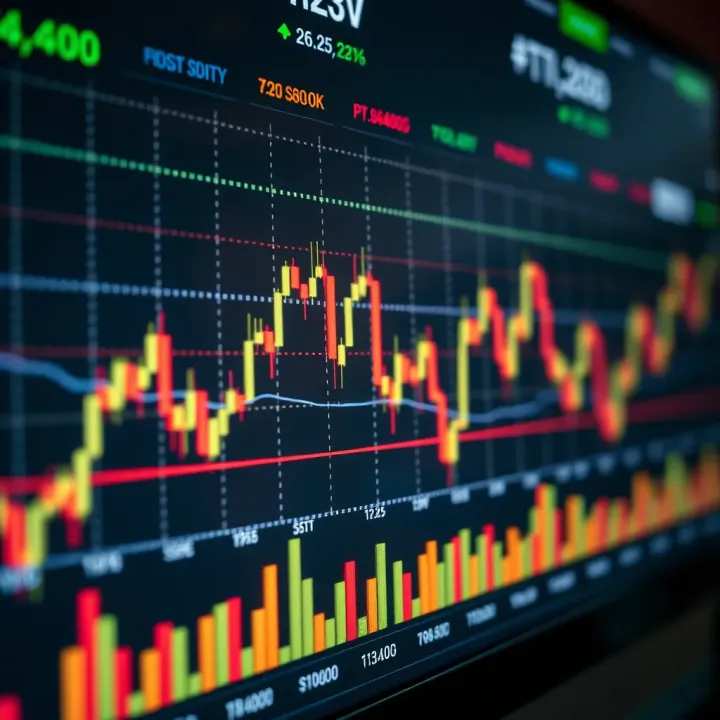
Currencies in forex are traded in pairs—one currency is exchanged for another. The main pair in Kenya is usually USD/KES, reflecting the demand for US dollars in import and export businesses. Other popular pairs include EUR/USD, GBP/USD, and USD/JPY. When you trade, you speculate whether a currency will strengthen or weaken against another to buy low and sell high, or short-sell expecting a price drop.
Kenyan traders typically use online platforms like MetaTrader 4, MetaTrader 5, or cTrader. These platforms provide tools such as live charts, technical indicators, and order management. Brokers licensed by the Capital Markets Authority (CMA) offer access to these platforms along with customer support.
Exchange rates fluctuate because of factors like:
Economic data: GDP growth, inflation, and employment levels influence currency strength.
Political events: Elections, policy changes, or global conflicts create volatility.
Central bank actions: Kenya’s Central Bank or the US Federal Reserve adjusting interest rates can significantly sway the KES or USD values.
Trading forex needs discipline and awareness of risks. Volatility can bring both opportunities and losses, so understanding the market fundamentals and using sound risk management is essential.
This guide will walk you through practical steps to enter forex trading in Kenya safely, including regulations, strategies, and common pitfalls to avoid. Whether you want to hedge business exposures or speculate for profits, knowing how forex works gives you an edge in Kenya’s evolving market landscape.
Grasping the basics of forex trading is essential for anyone looking to enter this fast-moving market, especially for Kenyan traders aiming to tap into global currency flows. Knowing how the market works, the key players involved, and how currencies behave saves time and reduces costly mistakes. For example, understanding currency pairs can help you avoid misjudging trades that seem profitable at first glance but turn risky due to how pairs move together.
Forex trading involves buying one currency and selling another at the same time. This exchange happens because currencies always trade in pairs—when you buy the euro against the US dollar (EUR/USD), you’re buying euros while selling dollars. The goal is to profit from changes in exchange rates caused by factors like economic news, interest rate decisions, or political events.
For a Kenyan trader, forex means dealing with changing values of currencies relative to the Kenyan shilling or any other foreign currency. If you expect the US dollar to strengthen against the euro, you might sell euros for dollars to earn from this shift once rates change.
Currencies come as pairs because one currency’s value is balanced by another’s. In any trade, you’re always buying one currency and selling another. Common pairs include major ones like USD/KES (US dollar to Kenyan shilling), GBP/USD, and USD/JPY. Each pair has a base currency (the first currency) and a quote currency (the second).
The price you see for a currency pair tells you how much of the quote currency you need to buy one unit of the base currency. For instance, if USD/KES is at 120, it means 120 Kenyan shillings buy one American dollar. Kenyan traders often focus on pairs involving KES or major global currencies because these offer the most trading opportunities and liquidity.
Unlike stock markets that operate from physical exchanges, forex trading is decentralised and takes place over-the-counter (OTC) through electronic networks across the world. This means there is no central location; instead, banks, brokers, and traders connect via the internet or phone.
This decentralisation allows forex to operate 24 hours a day during weekdays, letting Kenyan traders pick their preferred time to trade, whether early morning or late at night, depending on the global market they want to follow — such as London, New York, or Tokyo sessions.
The forex market consists of large players like international banks conducting huge currency exchanges for clients, central banks managing national reserves, institutional investors, and retail traders like yourself using brokers to access the market.
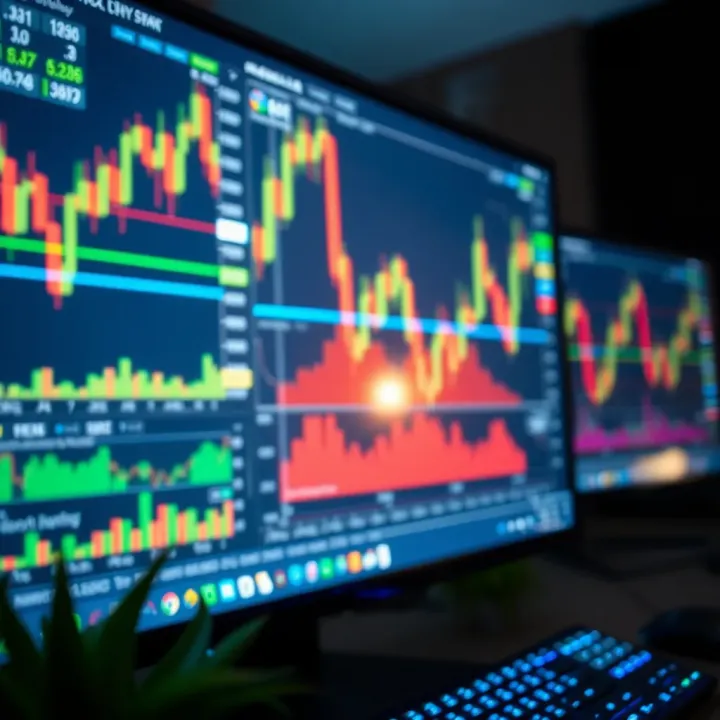
Brokers act as middlemen, offering platforms that connect your orders to liquidity providers (such as banks or other traders). For Kenyans, selecting a broker authorised by the Capital Markets Authority (CMA) adds a layer of protection. Retail traders usually have smaller capital but still participate actively, often using popular platforms like MetaTrader.
Understanding this basic setup helps new traders learn where prices come from and how their trades affect the bigger market picture. It also clarifies why certain times offer better volatility and why spreads differ between brokers.
Currency prices in the forex market fluctuate constantly, driven mostly by the forces of supply and demand. Understanding how these prices change is fundamental for any trader in Kenya looking to anticipate market movements and make informed decisions. When demand for a currency rises, its price tends to go up; when supply outweighs demand, the price usually drops. This dynamic is influenced by several key factors, including global trade patterns, capital flows, economic indicators, and political events.
Supply and demand in forex largely depend on how countries engage in trade and how capital moves across borders. For instance, Kenya imports a lot of manufactured goods, so demand for foreign currencies like the US dollar to pay suppliers abroad impacts the Kenyan shilling's exchange rate. Conversely, strong exports or foreign direct investment into Kenya create demand for the shilling, potentially strengthening it.
Imagine a Kenyan exporter receiving payment in dollars; to convert this money into shillings to cover local expenses, they increase demand for KSh, which can push up its value. Similarly, large international investors buying shares or bonds in Kenya will need shillings, affecting local currency demand and supply.
Economic indicators such as inflation rates, GDP growth, and employment figures send signals about a country’s financial health. Positive data, like declining inflation or strong growth, tend to boost confidence in that currency. For Kenyan traders, keeping an eye on Kenya National Bureau of Statistics (KNBS) releases, Central Bank of Kenya reports, and global indexes helps predict currency trends.
For example, if Kenya’s inflation rate falls below expectations, it may indicate a stable currency environment, attracting more capital and increasing shilling demand. On the flip side, disappointing economic figures can lead to selling pressure and a weaker currency.
Central banks play a pivotal role in determining currency prices through their monetary policies, especially interest rate decisions. The Central Bank of Kenya (CBK) sets rates that influence borrowing costs and returns on investments in shillings. Higher interest rates often attract foreign capital seeking better yields, increasing demand for the local currency.
For instance, if the CBK raises rates to curb inflation, foreign investors might convert dollars or euros into shillings to benefit from higher returns, pushing the KSh up. Traders must track CBK meetings and statements closely, as unexpected policy shifts can cause rapid market reactions.
Political stability or instability affects how investors view a currency. In Kenya, elections, policy changes, or geopolitical developments in the East African Community can influence market confidence and currency demand. Market sentiment — the general mood of investors — also shapes currency moves.
If uncertainty rises, such as before an election or amid regional tension, traders might shy away from riskier currencies like the shilling, favouring safer ones like the US dollar. Conversely, positive developments may encourage investment flows into Kenyan assets, supporting the local currency.
Understanding these factors helps traders anticipate currency movements beyond mere guesswork, blending economic realities with political context to navigate the forex market effectively.
In summary, currency prices react to a mix of global trade, capital shifts, economic data, central bank actions, and political circumstances. For Kenyan forex traders, staying updated on these areas offers an edge in making timely and profitable trades.
Starting forex trading can seem daunting, but getting the basics right is crucial for success. In Kenya, where access to global markets is growing fast, understanding how to begin safely and effectively helps traders avoid common pitfalls. Before placing your first trade, it's important to choose a credible broker, set up your trading account properly, and know how to fund it using convenient local options like M-Pesa.
When picking a forex broker, the main issues to consider are regulation, spreads, and trading platforms. Regulation ensures the broker operates within legal frameworks designed to protect your money and trading activities. Spreads—the difference between buying and selling prices—affect your trading cost and potential profits. Platforms should be reliable and user-friendly, with tools that suit your trading style. For example, MetaTrader 4 and 5 are widely used and supported by many Kenyan traders for their simplicity and features.
Kenya's Capital Markets Authority (CMA) oversees brokers offering forex trading to local clients. Choosing a CMA-authorised broker means they adhere to standards meant to protect you from fraud and unfair practices. Besides CMA regulation, look for brokers who comply with international standards like the Financial Conduct Authority (FCA) or Cyprus Securities and Exchange Commission (CySEC). Many reputable brokers have presence in multiple jurisdictions, which often translates to better security for your investments.
Opening your trading account usually involves a few straightforward steps: submitting identification documents, proof of residence, and sometimes financial background. This verification is required to meet Know Your Customer (KYC) regulations, which help limit fraud. The process can often be completed fully online, but response times vary depending on the broker's efficiency and regulatory requirements.
Funding your account in Kenya has been made easier by mobile money options, with M-Pesa leading the way. Many brokers accept deposits via M-Pesa, allowing you to send money directly from your phone without the hassle of bank transfers or credit cards. This is especially practical if you want to start trading with smaller amounts, as M-Pesa transactions can be quick and affordable even from rural areas. Just ensure you check the minimum deposit requirements and any fees the broker might charge for using M-Pesa or other local payment methods.
Opening your account with a regulated broker and using familiar payment methods like M-Pesa can speed up your trading start while keeping your funds safer.
Getting these first steps right makes a big difference in your forex trading experience, reducing delays and troubles as you learn the ropes and begin trading actively.
Knowing how to execute trades effectively and manage risk is a must for any forex trader, especially in Kenya where market conditions and local factors often add layers of complexity. This section guides you on using trading platforms, understanding order types, and applying risk management strategies to protect your capital and optimise potential returns.
Kenyan forex traders often turn to MetaTrader 4 (MT4) and MetaTrader 5 (MT5) because these platforms are user-friendly and widely supported by local brokers. MT4, for example, offers real-time price charts, technical analysis tools, and the ability to set automated trades, which helps traders act fast in volatile markets. Some brokers also provide proprietary platforms with features tailored for the Kenyan market, including local payment integration via M-Pesa.
Understanding order types is crucial for practical trading. A market order executes your trade immediately at the current best price, suitable when you want to enter or exit the market quickly. In contrast, a limit order triggers a trade only when the market hits your specified price, which helps in managing trades strategically by avoiding poor entry points. Knowing when to use each can make a difference, for example, setting a limit order to buy USD/KES if it drops to a favourable rate rather than chasing a fast-moving price.
Using stop-loss and take-profit orders is essential for controlling losses and locking in profits. A stop-loss order automatically closes a trade if the price moves against you beyond a set point, preventing runaway losses. For instance, if you buy EUR/USD at 1.1000, placing a stop-loss at 1.0950 limits your loss to 50 pips. Similarly, a take-profit order locks in gains once the price reaches your target, avoiding the risk of sudden reversals.
Position sizing and leverage control are often overlooked but have a big impact on your trading success. Choosing the right position size means you only risk a small, manageable part of your trading capital per trade. For example, risking 2% of KSh 100,000 capital means risking KSh 2,000 per trade. Leverage lets you control a larger position with a smaller deposit but needs careful handling; high leverage can amplify both profits and losses. Kenyan traders should be cautious and avoid over-leveraging, especially given the unpredictable nature of the forex market and seasonal economic swings here.
Mastering trade execution and risk management is not about chasing big wins; it’s about staying in the game long enough to learn, adapt, and grow your capital steadily.
With a solid grasp of trading platforms, order types, and risk controls, Kenya-based forex traders can approach the market more confidently and avoid common pitfalls that drain their funds.
Forex trading in Kenya comes with unique factors that affect how traders operate and profit. Understanding these helps Kenyan traders make smarter decisions that fit the local environment. From the shilling’s performance to local regulations, each element shapes the trading experience.
Local economic conditions heavily influence the Kenyan shilling (KSh) exchange rates, which in turn affect forex trading. For example, when Kenya exports agricultural products like tea or coffee, fluctuations in demand and global prices can strengthen or weaken the shilling. Similarly, changes in foreign direct investment or remittances also drive currency movements. Traders who keep an eye on such local developments often spot better entry and exit points.
At times, inflation rates and government debt levels play a part too. If inflation spikes unexpectedly, KSh may lose value against major currencies like the US dollar or euro. Such swings create both risks and chances for profit. That's why many Kenyan forex traders monitor economic reports and Kenya’s Central Bank announcements to adjust their strategies quickly.
Opportunities for Kenyan traders arise because the KSh can be more volatile compared to major world currencies. This volatility can yield bigger gains if trades are timed well. For instance, during election years or political unrest, currency shifts tend to be more dramatic, offering short-term trading advantages.
On the other hand, these same fluctuations bring challenges. Sudden currency drops can wipe out profits or increase losses. Moreover, the sometimes limited transparency in economic data makes it harder to predict shifts accurately. Kenyan traders must balance risk and reward carefully and avoid overleveraging their positions.
The Capital Markets Authority (CMA) is the main body regulating forex brokers and dealers in Kenya. It ensures the market remains fair and transparent by licensing reputable brokers and enforcing trading rules. For Kenyan traders, choosing a CMA-authorised broker means better protection against fraud or malpractice. This also makes the trading environment more trustworthy compared to unregulated offshore platforms that may offer unrealistic spreads but carry high risk.
CMA also oversees market practices to safeguard retail investors. Traders should verify brokers' CMA licences before depositing funds or starting to trade. Compliance with CMA guidelines gives comfort that the broker operates within Kenyan law and adheres to reporting and capital adequacy requirements.
Tax-wise, profits from forex trading are considered taxable income in Kenya. The Kenya Revenue Authority (KRA) requires traders to declare these gains for income tax purposes. This includes profits from spot forex trades, CFDs, and other derivatives related to currencies.
Traders should keep detailed records of their transactions, including dates, amounts, costs, and outcomes. Filing accurate tax returns prevents future disputes and penalties. While some traders may think forex profits escape the taxman, KRA has enhanced scrutiny and often cross-checks bank deposits and financial activity.
For Kenyan forex traders, understanding both the regulatory environment and tax obligations is essential. It not only ensures compliance but also builds a solid foundation for sustainable trading.
By bearing in mind the KSh’s peculiarities and following CMA and KRA rules, Kenyan traders can approach forex trading more confidently and reduce avoidable risks.
📱 Explore the best forex trading apps for Kenyan traders! Learn how to choose, use, and manage risks with secure, user-friendly mobile platforms.
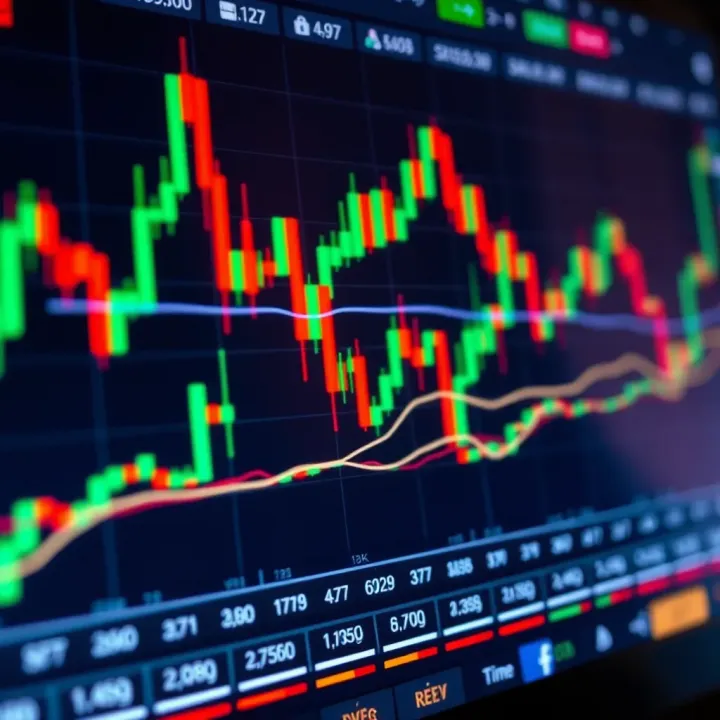
📈 Discover practical forex trading tips for Kenyan traders including market analysis, risk management, trading psychology & essential tools to boost success.
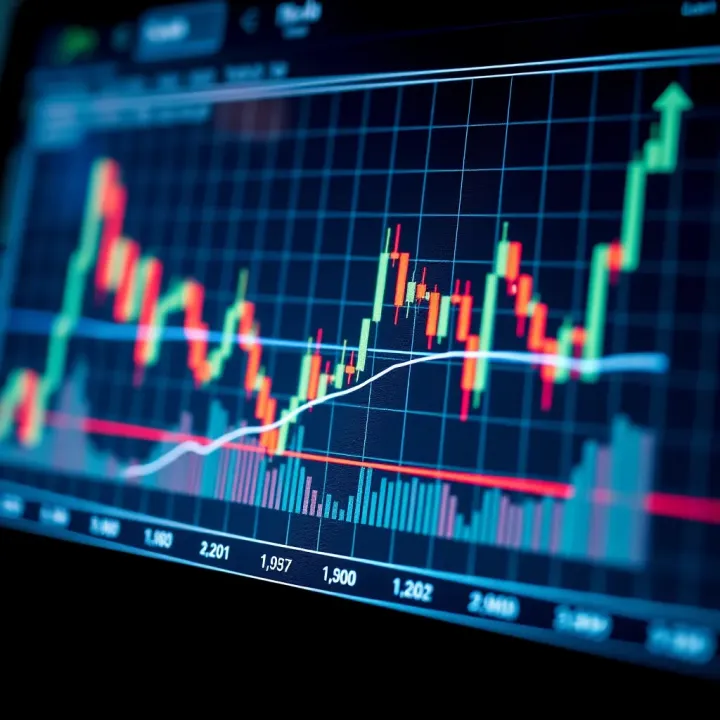
📊 Master forex trading in Kenya with practical strategies: trend analysis, risk management, key indicators & trading psychology for steady success.
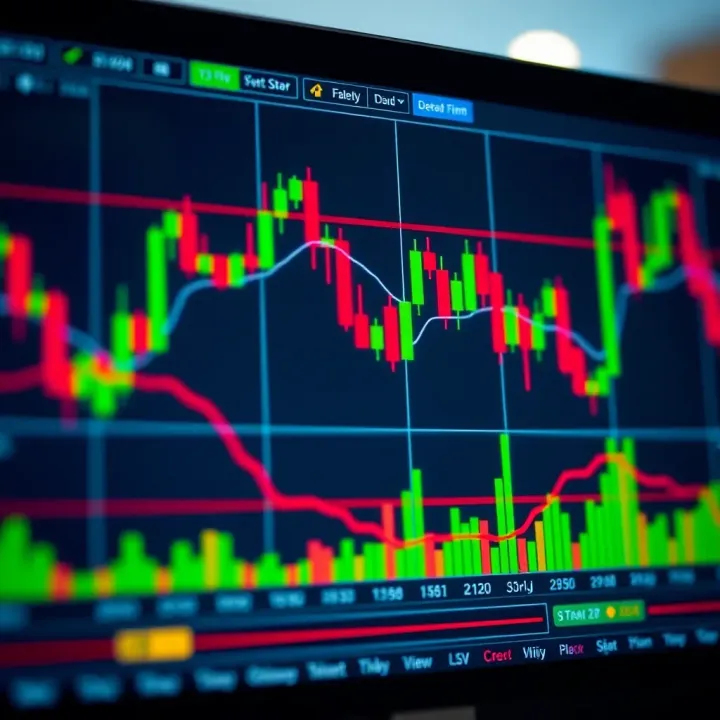
📈 Discover key forex candlestick patterns every Kenyan trader should know. Learn to spot, understand, and use them for smarter trading decisions in forex!
Based on 13 reviews