

How to Use the Economic Calendar in Forex Trading
📅 Learn how the economic calendar shapes forex trading in Kenya. Discover key events, indicators, and tips to predict currency moves confidently.
Edited By
Liam Foster
The FX economic calendar is a vital tool for traders and investors who deal with currencies. It schedules important economic events and data releases that directly influence exchange rates. Understanding when, why, and how these events affect currency markets can make the difference between profit and loss.
For example, if Kenya's Central Bank announces an interest rate decision, this can quickly impact the Kenyan shilling’s value against the US dollar or euro. Similarly, major events like the US nonfarm payrolls report or European Central Bank policy meetings ripple across global forex markets.
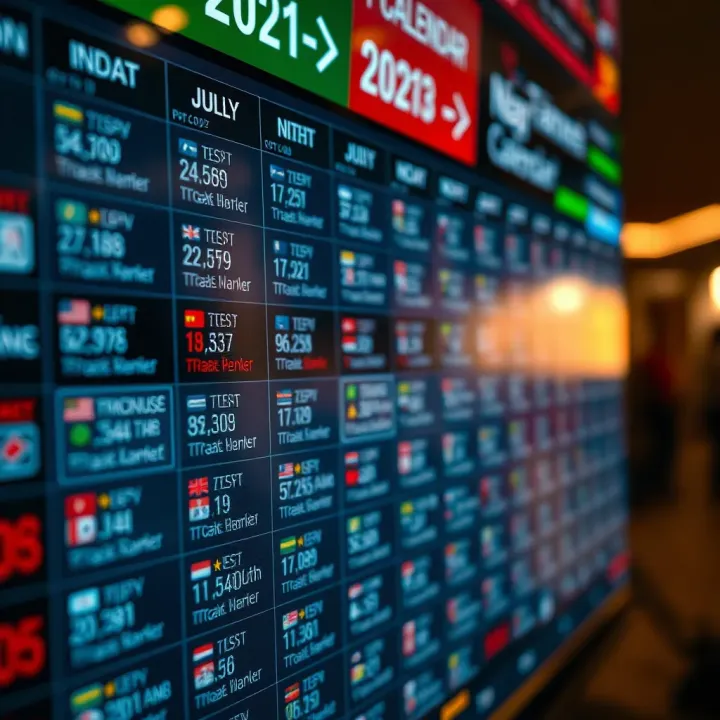
The calendar lists events by date, time, country, event type, and the expected impact. Traders often use it to prepare for potential market volatility. Knowing the release time in East Africa Time (EAT) lets Nairobi-based traders plan their strategies effectively.
Economic indicators such as inflation rates, GDP growth, and employment figures are primary drivers of currency movements. Traders focus on deviations from expectations because they reveal new information about an economy’s health.
Some typical entries on the calendar include:
Interest rate decisions by central banks (e.g., Central Bank of Kenya, US Federal Reserve)
Consumer price index (inflation) reports
Gross domestic product (GDP) announcements
Employment data such as unemployment rates or job creation numbers
Trade balance and export/import statistics
Traders use the calendar to avoid surprises and identify trading opportunities. For instance, if inflation in Kenya rises sharply beyond forecasts, it might prompt speculation that the Central Bank will raise rates later, pushing the shilling higher.
FX economic calendars are widely available online through financial platforms, forex brokers, or news sites. Kenyan traders can also consult local financial news outlets for timely updates.
Understanding this calendar and how to read it thoroughly helps traders make informed decisions rather than guessing market moves blindly. This disciplined approach aligns well with the fast-moving, sometimes unpredictable nature of forex trading.
The FX economic calendar lists key economic events and data releases that affect currency values. It helps traders know when important figures, like inflation rates or central bank decisions, are published. These events drive supply and demand for currencies, moving the exchange rates. For example, if Kenya's inflation rate suddenly spikes beyond forecasts, traders might sell the shilling expecting reduced purchasing power.
An economic calendar typically shows the date and time of scheduled events such as GDP releases, employment reports, and interest rate announcements. It includes the country of the event, the expected figures, and the previous numbers for comparison. Seeing this information ahead helps you anticipate how the forex market might react.
Economic events affect currency supply and demand by signalling the health of an economy. If data shows strong growth or higher interest rates, demand for that currency tends to rise because investors expect better returns. Conversely, weak data can cause traders to lose confidence and reduce demand, leading to depreciation.
Timing is critical since market reactions often happen immediately after these announcements. Knowing the exact release time helps traders avoid surprises or prepare to take advantage during volatile periods. For instance, the release of the US non-farm payrolls report at 3 pm EAT can trigger sharp moves in USD pairs.
Economic calendars are a risk management tool for navigating market volatility. Big data releases can cause sudden price swings, which without a heads-up, could wipe out positions in seconds. Kenyan traders following the shilling should monitor local and global events to avoid being caught off guard.
They also assist in planning entry and exit points. For example, a trader might wait until after a central bank statement before opening a position to avoid whipsaws. Knowing when these events occur helps decide whether to hold, buy, or sell at the best moments.
Setting stop losses and take profits around news events is another practical use. Since price movements can be extreme, placing protective orders at sensible levels shields your capital. For example, a stop loss just beyond expected volatility from a CPI release keeps losses contained if the market moves against you.
Trading with the economic calendar means understanding what drives currency moves — it’s about timing, risk control, and making informed decisions rather than gambling on chance.
By keeping up with the FX economic calendar, you stay ahead of the curve and avoid surprises that might bring losses. This, in turn, improves your confidence and consistency over time.
Economic indicators guide currency traders by showing the health and direction of a country's economy. The FX economic calendar lists these key datasets and events because they directly influence currency demand and value. To make informed trading decisions, it’s critical to understand what these indicators mean and how they can affect the KSh and other currencies.
GDP measures the total value of goods and services produced over a specific period, reflecting the size of an economy. For traders, GDP figures indicate whether an economy is growing or shrinking. For example, when Kenya’s GDP grows faster than expected, the shilling may gain strength as investors anticipate higher returns in the country. Conversely, a slower GDP growth signals potential economic troubles, possibly weakening the currency.

GDP releases are often quarterly and followed closely by the market because they provide a broad snapshot of economic health. Traders watch not only the headline growth rate but also revisions to past figures and quarterly trends to judge momentum.
Inflation shows how much prices increase over time. CPI tracks the cost changes of a typical basket of goods and services consumers buy. PPI looks at price changes from producers’ perspective before goods reach consumers.
Rising inflation typically pressures central banks to raise interest rates, which can strengthen the currency. For instance, if Kenya’s CPI spikes above the 5% target, the Central Bank of Kenya may signal tighter monetary policies, causing the shilling to rise. Traders use CPI and PPI data to anticipate such policy moves.
The unemployment rate measures the percentage of people actively looking for jobs but unable to find work. Non-farm payrolls (used mainly in the US) represent the number of jobs added or lost, excluding farming.
Strong employment figures usually signal economic strength and can lift a currency’s value. For example, a drop in Kenya’s unemployment rate may encourage more foreign investment in local markets, boosting the shilling. Conversely, rising unemployment can pressure the currency downward.
Central banks influence currencies through policy tools like interest rates and monetary guidance. Their announcements are among the most watched events on the FX calendar.
These statements outline recent decisions on interest rates and monetary measures, plus reasoning behind them. For traders, the tone and content of these statements are critical — a hawkish tone (suggesting rate hikes or tighter money) usually strengthens a currency, as seen with the Central Bank of Kenya’s moves to curb inflation and defend the shilling.
Clear communication helps markets adjust expectations. For instance, if the CBK signals it may increase rates soon due to rising inflation, traders might buy the KSh in anticipation.
Forward guidance refers to central banks’ hints or commitments about future policy direction. It helps reduce uncertainty and allows traders to plan.
When a central bank provides clear outlooks, such as projecting stable inflation or upcoming interest rate cuts, traders react by adjusting positions accordingly. If the CBK signals a looser monetary stance to boost growth, the shilling might weaken in response due to expectations of lower returns on local assets.
Reading these key economic indicators on the FX calendar can help you anticipate market moves and make smarter trading decisions. Keep a close eye on the real-time releases and central bank cues, especially in volatile markets like forex.
The FX economic calendar packs plenty of info that can shape your trading decisions. To make the most of it, understanding how to read its features is key. This helps you anticipate market moves and avoid surprises, especially during volatile periods.
Event timing and time zones matter because economic events happen all over the world. The calendar usually shows the time of release in Greenwich Mean Time (GMT) or local time, but traders in Kenya should convert this to East Africa Time (EAT), which is GMT+3. For instance, a US Non-Farm Payroll report may be listed at 8:30 am GMT but appears at 11:30 am in Nairobi. Misreading the time can lead to missing the event or improper timing of trades, costing potential profit or exposing you to risks.
Impact ratings or importance level indicate how much an event might move the market. Calendars often use colour codes or symbols to show low, medium, or high impact events. For example, Central Bank interest rate decisions usually have a high impact on a currency, while minor manufacturing data may have a low impact. Knowing which events carry more weight lets you plan whether to trade cautiously or avoid the market during big announcements.
Actual vs forecast vs previous figures provide context for each data release. The 'forecast' is analysts’ consensus, 'previous' is last period’s result, and 'actual' is what’s just been announced. If inflation data comes in higher than forecast, the affected currency might strengthen because it hints at possible interest rate hikes. Conversely, numbers below forecast can weaken a currency. Traders watch these figures closely to decide when to enter or exit trades.
Trading before and after releases requires care. Some traders avoid opening new positions right before major data to reduce risk from unexpected price swings. Others may position themselves strategically, knowing strong results can boost their trade. For instance, buying the Kenyan shilling before positive GDP news is announced might pay off if the number beats forecasts.
Using calendar data for trend confirmation means combining it with price action. Suppose unemployment figures in the US come out better than expected, reinforcing an uptrend in the dollar. Traders can use this data to confirm the momentum and hold positions longer. This reduces guesswork and reliance on charts alone.
Avoiding trading during high-risk announcements protects from sudden spikes and volatile slippage. Trading during Central Bank rate statements or major geopolitical events often causes sharp currency moves that can wipe out profits quickly. By sitting out at these times, especially if you are a day trader or scalper, you reduce the chance of costly mistakes.
Economic calendars are more than schedules; they’re tools to align your trades with real-world events and market psychology. Reading them well gives a sharper edge in forex trading.
By understanding these aspects and applying them thoughtfully, you’ll trade smarter and manage risks better in the fast-moving forex market.
Reliable economic calendars are the backbone for successful forex trading strategies. Since the forex market responds sharply to scheduled economic events, having access to trustworthy and timely information can make the difference between profit and loss. Traders need to know where their calendar data comes from, how fast it updates, and how comprehensive it is.
Financial news websites typically provide free economic calendars as part of their broader market coverage. These platforms often include major events like GDP releases, central bank announcements, and employment data from key economies. For example, well-known sites like Bloomberg and Reuters publish schedules supported by their global news teams. Their advantage lies in combining calendar data with in-depth analyses and breaking news, helping traders anticipate possible market reactions. However, they might not focus on niche markets or offer customisable features.
Broker platforms offering integrated calendars add the benefit of direct linkages to trading terminals. Brokers such as FXTM or IG incorporate economic calendars into their platforms, allowing traders to view upcoming events alongside real-time price charts and execute trades swiftly. This integration reduces delays when responding to news and can be customised in many cases according to time zones or importance levels. For Kenyan traders using brokers with local support, this means a smoother experience, blending event awareness and trading actions without switching apps.
Specialised forex data services go a step further by providing detailed economic indicators, real-time momentum data, and tailored alerts. Services like Investing.com or DailyFX offer comprehensive calendars that include not just headline data but also minor releases that may affect emerging currencies like the Kenyan Shilling (KSh). These platforms often allow users to filter events according to currency impact or region. Though some of these services operate on subscription models, they give traders granular control and faster updates, enabling sharper positioning around volatile times.
The availability of local market events affecting the KSh currency is vital. Kenyan traders must keep an eye on domestic releases such as Kenya National Bureau of Statistics (KNBS) inflation figures, Central Bank of Kenya policy rate decisions, or monthly M-Pesa transaction volumes influencing liquidity and demand for KSh. Many international calendars overlook these details, so accessing a calendar that includes such local events helps in making informed decisions tailored to Kenyan financial realities.
A calendar's user-friendly interface and mobile accessibility significantly impact daily usability. Kenyan traders often rely on mobile devices, commuting in matatus or moving between hustles. An economic calendar that loads quickly, gives clear visual cues for event importance, and allows customised notifications saves time and reduces the risk of missing critical data points. Features like simple icons, adjustable time zones to East Africa Time (EAT), and intuitive filtering are highly appreciated.
Lastly, real-time updates and alert systems are not just conveniences but necessities. Economic data sometimes arrives ahead of schedule or experiences revisions soon after initial publication. Alerts via SMS, push notifications, or emails ensure traders react promptly, especially when volatility spikes around major announcements. Kenyan traders who follow KRA tax updates, for instance, or county-level financial announcements related to devolved funds will find real-time alerts helpful in adapting strategies immediately.
In short, selecting the right economic calendar boils down to reliability, local relevance, ease of use, and timely information delivery—qualities that help Kenyan traders navigate forex markets with confidence and clarity.
The FX economic calendar is undeniably a helpful tool for traders, but it’s not without flaws. Recognising its limitations is key for making informed decisions rather than relying on this calendar as a crystal ball. Understanding common pitfalls can prevent costly mistakes and help traders use the calendar as part of a broader strategy.
Markets don’t always behave as predicted by economic data forecasts. Even if an indicator hits or misses estimates, the market’s reaction might be muted or even opposite to expectations. For example, if Kenya’s Central Bank surprises markets with an interest rate hike, traders might react strongly. But if the rate hike was fully priced in by analysts, the currency—in this case the Kenyan shilling—might barely budge. This happens because the market often anticipates events and adjusts in advance.
Unexpected outcomes or releases can lead to sharp moves, but traders should also expect some volatility fizzles out quickly. This unpredictability adds risk. It’s practical to avoid overcommitting based on forecasts alone, because the market digests a variety of factors — including sentiment, global events, and technical setups — beyond the calendar.
Geopolitical or external shocks further complicate forecasts. A sudden political announcement or unrest in a major trading partner country can move currencies even if scheduled data is stable. For instance, if there’s surprise political tension in the East African region, the Kenyan shilling might weaken regardless of positive economic data. Similarly, external shocks like a sharp drop in oil prices or a currency crisis in a major economy ripple into the forex market unpredictably.
Traders must be ready for these surprises since such shocks often trigger big moves beyond what economic calendars predict. Trying to forecast these events is difficult, so risk management becomes essential during uncertain times.
One common trap is making trading decisions solely based on raw economic releases without proper analysis. For example, an unemployment rate worse than expected might sound negative instantly, prompting knee-jerk sell-offs of that currency. But not all data deserve immediate reaction—context matters. Sometimes bad news on employment might coincide with strong growth forecasts, balancing the overall picture.
Relying only on calendar events can lead to overtrading, where emotions like fear or greed take control. This causes traders to enter or exit positions too quickly, often increasing losses rather than gains.
Combining the economic calendar with other tools improves decision-making. Using technical analysis or watching broader market trends brings balance to the impulsive reactions triggered by news. For instance, if the Kenyan shilling shows strong support on charts despite poor data releases, a more cautious approach might avoid premature selling.
In essence, the calendar informs but doesn't replace judgement. Successful traders use it as one piece of a puzzle, checking fundamentals, technicals, and market sentiment to build a clearer, less emotional view.
Remember: The calendar is a guide, not a guarantee. Prepare for surprises and resist the temptation to trade every news item without discretion.
By keeping these limitations and pitfalls in mind, traders can better navigate the unpredictable world of forex and protect themselves from unnecessary risks.
📅 Learn how the economic calendar shapes forex trading in Kenya. Discover key events, indicators, and tips to predict currency moves confidently.
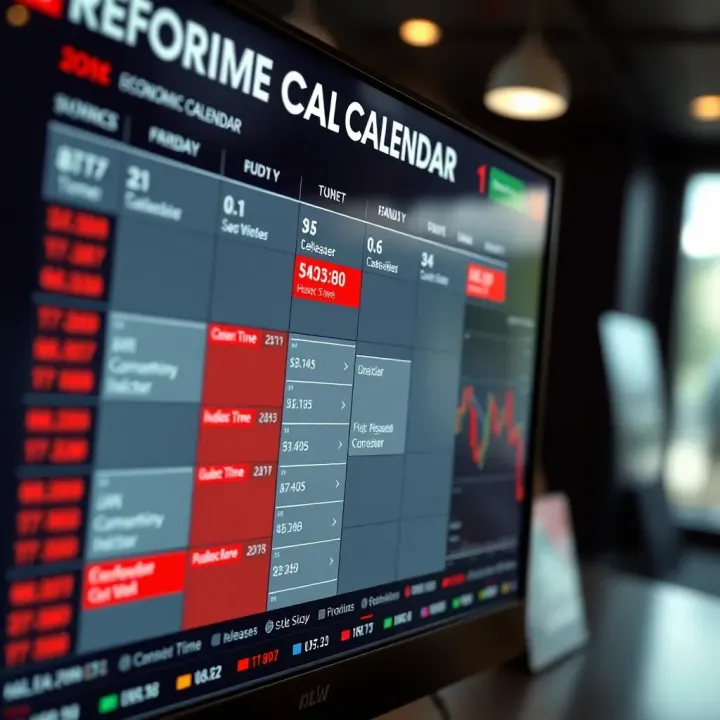
📅 Learn how to read the Forex economic calendar, understand key indicators, and use them to spot trading opportunities while avoiding common mistakes.
📊 Learn how the economic calendar helps traders, investors & analysts in Kenya track key indicators, interpret events, and make smarter financial decisions.
📅 Get the lowdown on today’s economic calendar and key events affecting Kenya’s markets. Learn how to read indicators and make smart investment moves.
Based on 15 reviews