
Forex Trading Basics Explained
📈 Get a clear grasp of forex trading basics—currency market functions, key terms, strategies, plus tips on risk management & account setup for Kenyan traders.
Edited By
Charlotte Sinclair
Forex trading doesn't run 24/7 like some might think. Instead, it follows distinct sessions that correspond to financial centres around the world. These sessions matter because they influence how active the market is and what kind of price movements you can expect. For Kenyan traders, understanding these sessions helps in picking the right time to trade and knowing when liquidity and volatility are highest.
The forex market is divided into four main sessions: Sydney, Tokyo, London, and New York. Each session opens and closes according to its local time, but because there’s some overlap, these periods often generate the most exciting market activity.
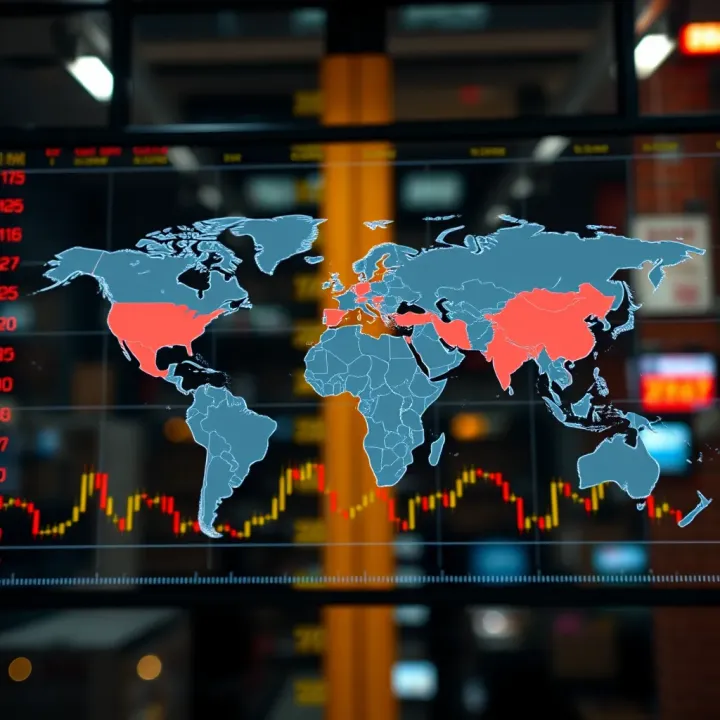
Sydney Session typically starts the forex day. Although it’s the smallest in terms of volume, it sets the tone for the day. Its influence is particularly noticeable on currency pairs involving the Australian dollar and New Zealand dollar, which tend to move more during these hours.
Tokyo Session kicks in shortly after Sydney. It dominates the Asian trading hours and sees increased activity in pairs like USD/JPY and other Asian currencies. Kenyan traders watching Asian markets should consider this session, especially for overnight trades.
The London Session opens next, marking the start of European trading. This session brings high liquidity and sharp price movements, attracted by major currencies like the euro, British pound, and Swiss franc. Kenyan traders find this session intriguing since it overlaps partially with the later Tokyo hours, creating good trading opportunities.
Lastly, the New York Session begins in the morning Kenyan time and is crucial for its overlap with London. This crossover often leads to the largest trading volumes and volatility, especially for USD-related pairs. Timing trades during this window can mean better spreads and clearer market trends.
Knowing which session is active helps you anticipate when the market might be more volatile or quiet. It also guides you to trade pairs that are more responsive during certain hours, increasing the chance of success.
Plan your trading around London and New York overlaps for higher volume and liquidity.
Focus on currency pairs relevant to the active session.
Be cautious of low liquidity periods like late Tokyo or Sydney hours where spreads widen.
Understanding forex trading sessions equips you to make informed moves, avoiding unnecessary risks and capitalising on the market’s natural rhythms.
Forex trading happens round the clock, but activity isn’t constant during all hours. This is because the global forex market segments into specific trading sessions based mainly on key financial centres’ business hours. Understanding these sessions helps traders identify when the market is most active and volatile, enabling smarter decision-making.
Forex trading sessions refer to blocks of time when major currency markets in different parts of the world are open for business. Commonly, the market divides into four main sessions named after the cities or regions that dominate them: Asian (Tokyo), European (London), North American (New York), and Pacific (Sydney). Each of these sessions brings its own market dynamics shaped by local economic news, trading volumes, and bank activity.
For example, when Asian markets open around 1 am East Africa Time (EAT), pairs involving the Japanese yen or Australian dollar often see increased liquidity. Similarly, London’s session, which overlaps with Asian and New York markets at different points, tends to have the highest forex volumes. Recognising these periods helps traders catch the right waves.
Knowing when specific sessions open and close is crucial because trading volumes and volatility shift across the day. Some pairs move sharply during the London session due to high participation from European banks, while others remain quiet in the Pacific session. Without this knowledge, a trader might wrongly enter or exit trades during sluggish periods, risking poor execution or unfavourable spreads.
Beyond timing, session awareness helps traders anticipate when news releases from different countries will affect currency rates. For instance, a trader in Nairobi eyeing the US dollar must factor in economic reports from Washington, which come during the New York session, usually in the afternoon EAT. This timing can create price spikes that affect entries or stop-loss triggers.
Tip: Aligning your trading activity with the right sessions suits your strategy and risk appetite. A day trader might focus on high-volume London-New York overlaps, while a swing trader could capitalise on steadier movements during quieter times.
In summary, an overview of forex trading sessions sets the foundation for understanding market rhythms. It equips traders with context to better predict when to trade, what to expect in terms of liquidity, and how external factors can influence market moves. That knowledge is especially useful for Kenyan traders aiming to align international forex activity with local time and conditions.
Understanding the four main forex trading sessions is key for traders who want to make informed decisions about when to enter or exit trades. These sessions correspond to the major financial centres worldwide and their active trading hours. Each session has unique characteristics influenced by local economic events, market liquidity, and trader participation.
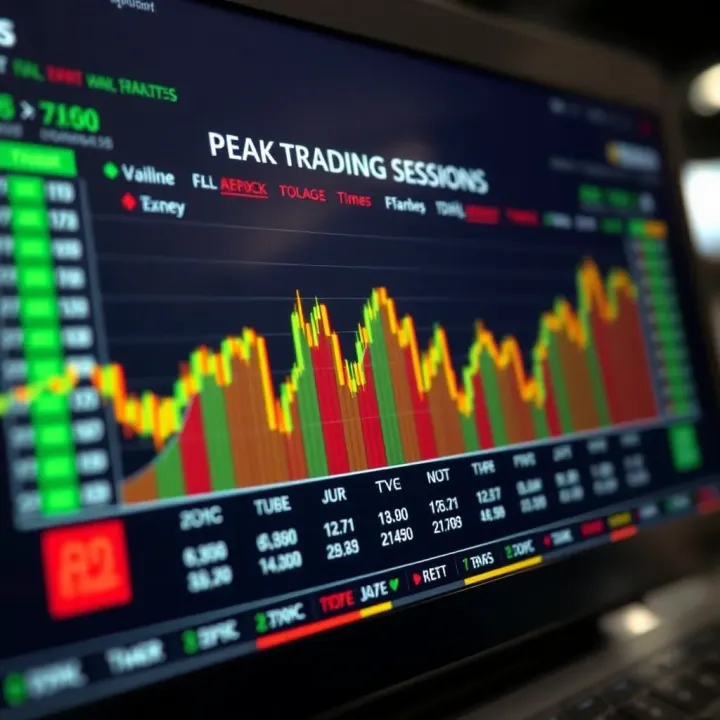
The Asian session generally runs from 12 am to 9 am East Africa Time (EAT). Key players here include Tokyo, Singapore, Hong Kong, and Sydney, with Tokyo being the most influential. This session is known for relatively lower volatility compared to others, making it attractive for traders who prefer steadier markets. Pairs like USD/JPY, AUD/USD, and NZD/USD see more activity during this time. For example, if you are trading USD/JPY, the Asian session is when price movements tend to be more consistent, allowing for calm entry points.
London dominates the European session from about 9 am to 6 pm EAT. This session contributes the highest trading volume globally, often leading to increased volatility and tighter spreads. The London market overlaps with both the Asian and North American sessions, creating some of the busiest and most liquid trading periods. Currency pairs involving the euro (EUR), British pound (GBP), and Swiss franc (CHF) often exhibit significant movement. For instance, traders watching EUR/USD can expect sharp market moves during London hours, especially around UK economic announcements.
The North American session, centred on New York, operates roughly from 2 pm to 11 pm EAT. It overlaps partially with the European session, bringing high liquidity and volatility. Major news releases from the US, such as Federal Reserve interest rate decisions or employment reports, frequently occur during this time, impacting the USD heavily. Traders focusing on pairs like USD/CAD, USD/MXN, and GBP/USD will find this session critical. A sharp price swing in USD/CAD could happen when the US non-farm payroll data is released at 3:30 pm EAT.
The Pacific session, including markets like Wellington and Auckland in New Zealand, starts around 10 pm and lasts until about 7 am EAT. This session tends to have lower trading volumes and liquidity compared to others but can provide unique opportunities in currencies like the New Zealand dollar (NZD). It often sets the tone for the Asian session by reacting to overnight developments. For traders in Kenya, the Pacific session’s quieter nature might suit longer-term strategies or preparation for the upcoming Asian markets.
Knowing the specific timings and characteristics of these four sessions helps traders in Kenya identify when their preferred currency pairs are most active and when trading conditions are most favourable.
By aligning your strategy to the traits of each session, you can better manage risks and spot trading opportunities ahead of major market moves.
Forex trading sessions often overlap, creating periods of heightened market activity and increased liquidity. These overlaps happen when two major forex markets are open simultaneously, such as the London and New York sessions. Traders watch these times closely because the volume of trades usually spikes, leading to more significant price movements.
One of the most notable overlap periods is between the London and New York sessions, typically from 3 pm to 7 pm East Africa Time (EAT). During these hours, two of the world's largest financial hubs operate simultaneously. This overlap produces greater trading volume across major currency pairs like the USD/EUR and GBP/USD. Similarly, there is a smaller overlap between the Asian and European sessions, roughly from 10 am to 12 pm EAT, that can increase activity, mainly affecting currency pairs involving the Japanese yen and euro.
These overlaps matter because they concentrate market participants—banks, hedge funds, institutional traders, and retail investors. When both sessions are active, liquidity improves, bid-ask spreads narrow, and prices can move with more volatility. For example, during the London-New York overlap, news releases from either financial centre can trigger swift price reactions since many traders are ready to act.
Overlap periods offer traders several advantages. Higher liquidity means trades are executed faster and at better prices. Volatility tends to rise, creating opportunities for both day traders and scalpers to capitalise on rapid price swings. For example, a Kenyan trader monitoring the EUR/USD pair during the London-New York overlap might see sudden breaks above resistance levels due to a US economic report.
However, the increased volatility also calls for careful risk management. Sudden price spikes can lead to unexpected losses if stop losses are poorly placed. That said, experienced traders often prefer these active periods because the market's rhythm is clearer, and technical indicators tend to perform more reliably.
Tip: Use session overlaps to plan trades when the market is most active, but always balance potential gains with disciplined risk controls.
In summary, understanding when forex trading sessions overlap can help Kenyan traders pinpoint times to trade more effectively. Knowing these periods enhances decision-making, improves entry and exit points, and aligns trading strategies with market dynamics for better outcomes.
Choosing the right times to trade forex from Kenya can significantly affect your results. The forex market operates 24 hours, but activity levels fluctuate depending on the major trading sessions around the world. Picking periods when the market is most active or suits your trading style can enhance your chances of success and help manage risks better. Kenyan traders must consider their own time zone — East Africa Time (EAT) — to synchronise trading with global market hours effectively.
Kenya is three hours ahead of Coordinated Universal Time (UTC+3) and does not observe daylight saving changes. This stability simplifies planning. For example, the London session runs roughly from 10 am to 7 pm EAT, coinciding well with Kenya’s working hours. By contrast, the New York session begins late afternoon in Kenya (around 4 pm EAT) and stretches into the night. Knowing these time conversions helps you schedule trading activities without missing key market movements.
Being aware of these overlaps is key. The London-New York overlap (4 pm to 7 pm EAT) often sees higher liquidity and volatility. Kenyan traders who can stay active during this period may find better opportunities, especially for strategies relying on quick price movements or scalping.
Different forex sessions offer varying market behaviours, so aligning them with your trading style makes sense. For instance, the Asian session tends to have lower volatility, better for traders who prefer steadier trends or range-bound conditions. If you are a day trader or scalper, targeting the London or New York sessions or their overlap is preferable because of stronger price swings and tighter spreads.
Swing traders might benefit from sessions where trends build up steadily, often seen during the European session’s start or late New York session. Kenyan traders should pick sessions matching their daily schedule. Someone trading part-time may prefer the London session in the morning, while full-time traders can take advantage of the London-New York overlap.
Understanding the risk linked to each session's volatility is crucial. Higher volatility means bigger price swings, which can lead to higher profits but also greater losses if not managed properly. For example, news releases during the New York session often cause sudden price moves. Kenyan traders must prepare with stop-loss orders and appropriate position sizing.
On the other hand, trading during low volatility, like the Pacific session occurring late at night in Kenya, might reduce risk but also offer fewer opportunities. Avoiding trades during thin liquidity times can protect you from sudden price gaps or slippage, common risks in quieter hours.
Kenyan traders who plan their sessions in line with East Africa Time and their trading goals can balance opportunity and risk effectively, leading to smarter trades and better control of market exposures.
By understanding your local time, knowing when sessions occur, and choosing the right time for your strategy, you put yourself in a better position to succeed in forex trading from Kenya.
Understanding forex trading sessions offers traders a solid edge. By using session knowledge well, you can avoid pitfalls and seize more profitable moments. This section shares practical tips to help you trade smarter, not harder, focusing on timing, risk, and news impact.
Trading during times of high market activity generally means better liquidity and tighter spreads, which can improve your trade execution and reduce costs. For instance, the overlap between the London and New York sessions often produces large price swings and rapid moves, creating opportunities for day traders looking for volatility. Kenyan traders should note that this overlap occurs between 4 pm and 8 pm East Africa Time (EAT), a window to focus trade entries and exits carefully.
Another example is the London session open at 3 pm EAT, when many European markets start trading and volumes pick up substantially. Planning trades to coincide with these high-activity periods allows you to benefit from increased market momentum and sharper price movements.
Trading during quiet sessions can leave you exposed to unpredictable price gaps and slippage. The Pacific session, spanning roughly 11 pm to 6 am EAT, is known for low liquidity, especially on weekdays when markets like New Zealand and Australia are closed or thinly traded. Price movements can be choppy and erratic, increasing the risk of losses.
By steering clear of these low-liquidity times or reducing position sizes, you lessen the chances of being caught in unfavourable market moves. For example, if you typically trade USD/JPY or AUD/USD, it’s better to avoid opening trades late night in EAT and wait for the Asian or European sessions to get underway.
Economic data releases often trigger sharp price moves, particularly when they come from major economies during their respective sessions. Kenyan traders should keep an economic calendar handy, noting the timing of key releases like US non-farm payrolls or European Central Bank meetings.
Aligning your trading with these news events means you can prepare for bursts of volatility that provide good entry or exit points. For example, US economic reports usually happen during the New York session, so expect spikes in activity between 4 pm and 11 pm EAT. You might want to avoid holding large positions just before these releases to manage risk or use them as opportunities for quick trades.
Planning your trades with a strong awareness of session timing and news flow is one of the simplest ways to improve your forex results without chasing indicators or complicated strategies.
Focus trading during session overlaps with high liquidity.
Avoid quiet periods with low participation to reduce risk.
Time your trades around major economic announcements.
Using these straightforward tips alongside session knowledge will give you an upper hand in the forex markets as a Kenyan trader, helping you navigate market moves with clarity and confidence.
📈 Get a clear grasp of forex trading basics—currency market functions, key terms, strategies, plus tips on risk management & account setup for Kenyan traders.

🌍 Explore top forex brokers in Kenya, learn how to pick the right one, understand regulations, platforms, payment methods, and avoid trading traps.

Explore trusted forex trading companies in Kenya 🇰🇪, understand regulations, broker tips, and smart strategies for safer trading in this growing market 💹.
📊 Master forex trading charts to spot price shifts, trends, and opportunities. Learn how chart analysis guides smarter trades and better risk control in forex.
Based on 14 reviews