
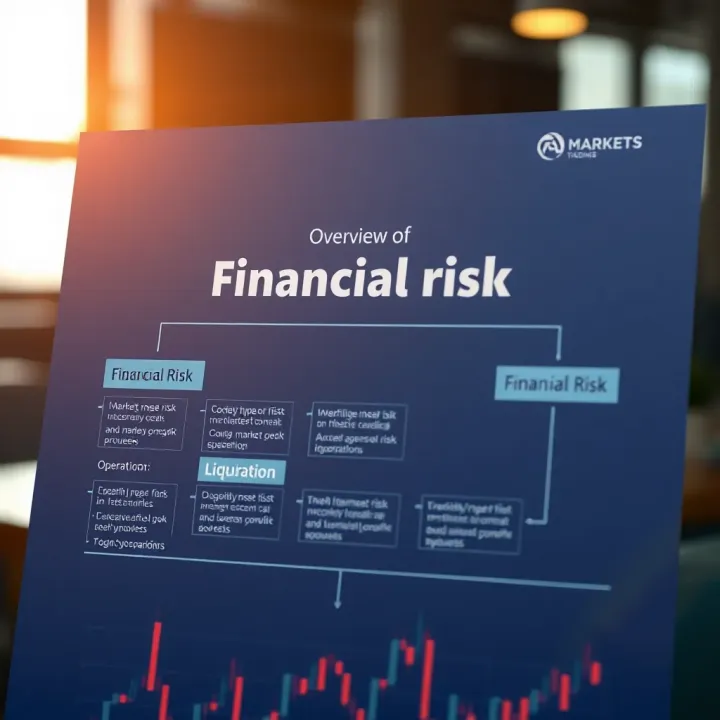
Effective Financial Risk Management Practices
Learn practical financial risk management tools and strategies 📊 to identify, assess, and reduce risks, helping Kenyan businesses and investors safeguard assets. 💼
Edited By
Sophie Carter
When running any business or managing a project in Kenya, risks are inevitable. Weather disruptions during the long rains, supply delays from Mombasa port, or shifts in government regulations can all impact your plans. Developing a practical risk management plan helps you spot these hurdles early and deal with them before they jeopardise your goals.
This section lays out how to build a clear risk management plan that focuses on real, actionable steps. The aim is to help you identify likely risks, understand their potential impact on your operations, and set up control measures that make your business more resilient.

A sound risk management plan is not about avoiding risks completely — it’s about preparing your business to handle setbacks without losing momentum.
In Kenya’s business environment, where matatu strikes, power outages, or currency fluctuations can hit without warning, having a plan is essential. It minimises surprises and puts you in control rather than reacting in panic.
For example, a local agribusiness might face drought risk during the short rains season. By recognising this early, the business can arrange irrigation alternatives or diversify crop types instead of facing total loss when rains fail.
A well-rounded risk management plan includes these parts:
Risk Identification: Start by listing all potential risks in your sector. Consider supply chain issues, finance risks like exchange rate swings, regulatory changes, natural events, and operational hiccups.
Risk Assessment: Evaluate each risk’s impact and likelihood. A flood disrupting a small office may be low impact but high probability during rainy season, while political unrest could be low probability but very high impact.
Control Measures: Decide how to manage each risk. This could be avoidance, mitigation (like backup power generators), transfer (insurance), or acceptance if the risk is minor.
Monitoring and Review: Risks evolve, so regularly check your plan against current realities to update and improve controls.
Imagine a Nairobi-based tech startup facing power outages and data security threats. Their plan might include:
Buying a solar backup system to avoid lost work hours during outages.
Regular staff training on cybersecurity to prevent data breaches.
Keeping important documents on secure cloud storage.
An insurance cover for hardware damage.
By prioritising these steps, they protect their daily operations and build investor confidence.
This approach makes the risks manageable and supports steady growth.
Moving forward, we'll break down how to create this plan step by step, giving you a straightforward system to follow at your own business or project.
Risk management is not just a fancy term for big companies. It's a practical approach that Kenyan traders, investors, and finance professionals use every day to protect their investments and operations. By grasping the basics, you avoid costly surprises and make smarter decisions that keep your projects or portfolios stable.
Risk management means identifying potential problems before they happen and figuring out how to handle them. Imagine you’ve invested in a farm project in Rift Valley and suddenly, rains fail during the short season. Risk management here would have you prepare for drought possibilities—whether by planning irrigation or having an alternative source for fodder. It’s about seeing risks ahead and choosing to either reduce their impact or avoid them altogether.
Every organisation faces uncertainty, especially businesses operating in Kenya’s dynamic environment. A clear risk management plan helps keep things on track by outlining specific threats and the actions required to minimise their effects. For example, an import-export firm might deal with currency fluctuations or regulatory delays at the port. Without a plan, these risks can mean delays or loss of goods. But with one, the firm can hedge currency or streamline documentation processes. The plan creates a culture of preparedness, reducing stress and costly setbacks.
A good risk management plan acts as a compass, guiding organisations through uncertain times and ensuring resources are used efficiently.
Kenyan businesses often encounter four main types of risks that call for careful handling:
Operational Risks: These relate to day-to-day activities, such as equipment breakdowns, supply chain disruptions, or staff turnover. A Nairobi-based textile firm might struggle if raw cotton supply drops due to transport strikes.
Financial Risks: Changes in interest rates, currency depreciation, or delayed payments can hit profits hard. Suppose you run an SME depending on imported machinery; a shilling drop versus the dollar raises costs unexpectedly.
Environmental Risks: Droughts, floods, or locust invasions impact agricultural ventures and related businesses greatly. These risks require contingency plans specific to local climatic patterns.
Regulatory and Compliance Risks: Shifts in government policies, tax rules, or licensing requirements can delay projects or raise expenses. For instance, new KRA requirements for tax filing can affect cash flows if not factored in early.
Understanding these risks in the Kenyan context helps you tailor your risk management strategies sharply, ensuring your business or investment stays on course despite twists. Having this foundation is the first step to building a practical and effective risk management plan fit for local realities.
A solid risk management plan is built on clear, practical elements that guide organisations in spotting, analysing, and handling risks effectively. These elements ensure resources are focused correctly, avoiding unnecessary panic over minor issues while preparing realistically for the biggest threats. For Kenyan businesses dealing with shifting market conditions, regulatory changes, or even weather-related disruptions, a structured approach keeps the operation steady and adaptable.
This is the first step in gathering varied insights on potential risks. Bringing together diverse teams for brainstorming sessions helps tap into different experiences and knowledge bases. For example, a project team in Nairobi might include field staff, finance officers, and suppliers who each flag unique concerns, from delivery delays due to traffic jams to fluctuating forex rates affecting costs.
Interviewing key personnel lends depth, especially when dealing with less obvious risks. Asking open-ended questions encourages detailed explanations, uncovering risks that a checklist might miss. This helps form a comprehensive risk register suited to your specific environment.
SWOT stands for Strengths, Weaknesses, Opportunities, and Threats. This simple framework aids identification by organising ideas into internal and external factors.
Using SWOT allows a business to reflect on internal weaknesses that could expose risks, such as outdated equipment, alongside external threats like new regulations or competitor moves. For example, a Nairobi-based manufacturing firm might realise its ageing machinery (weakness) could break down under increased demand, while political unrest (threat) might disrupt supply chains.

These offer a practical shortcut by referencing documented risks from past projects or industry trends. In Kenya, where many sectors have faced common challenges—say, power outages or policy shifts—using checklists helps ensure no major risk categories get overlooked.
Historical data validates which risks are more frequent or severe. A contractor might check records showing rainy seasons cause delays, informing contingency plans. However, while useful, checklists shouldn’t replace customised assessments for each new project or business context.
Estimating how probable a risk event is allows teams to focus on the most imminent dangers. Likelihood assessment can be qualitative (high, medium, low) or quantitative (percentage chance), depending on available data.
In Kenyan business contexts, some risks like currency fluctuations are frequent, while others such as regulatory crackdowns may be rarer. Pinpointing this helps avoid overcommitting resources to unlikely events.
Impact looks at the consequences a risk can bring—financial loss, reputational damage, or operational disruption. This evaluation guides how aggressively a risk should be managed.
For example, a financial risk causing a loss of KSh 10 million is often more urgent than an operational risk delaying deliveries by a few hours. Leaders weigh these effects based on their organisation’s tolerance and capacity to absorb losses.
Combining likelihood and impact in a grid forms a risk matrix, a visual tool that flags what merits immediate action versus monitoring.
Imagine a 3x3 matrix categorising risks from low to high. Risks rated high on both likelihood and impact top the priority list. This straightforward method boosts clarity and drives consensus among stakeholders, making risk discussions concrete rather than abstract.
This means steering clear of activities that introduce unacceptable risks. It’s like a company deciding against investing in a volatile overseas market to prevent heavy losses.
In practice, avoidance can be costly or limit opportunities but sometimes is the safest choice. For instance, a small Nairobi retailer might avoid dealing with suppliers facing frequent delivery problems.
Mitigation reduces the likelihood or impact of risk. Kenyan construction firms often mitigate risks by investing in reliable machinery maintenance or staff training, lowering chances of accidents or breakdowns.
Mitigation is about balancing costs versus benefits, creating practical controls that keep risks manageable without blocking progress.
Transferring shifts the risk to another party, often via insurance or outsourcing. Many businesses buy property or liability insurance to cover disasters or legal claims.
Kenyan companies sometimes transfer financial risks by using M-Pesa guarantees or third-party contractors, ensuring they aren’t left solely responsible for every eventuality.
Sometimes, risks are minor or too costly to avoid, mitigate, or transfer. Accepting means consciously deciding to live with the risk and preparing to manage its effects if it occurs.
A trader in Nairobi’s Gikomba market might accept small inventory losses during transport as part of doing business, balancing risk and reward realistically.
A clear grasp of these key elements helps shape a risk management plan that’s both grounded and flexible, meeting Kenyan business needs without overcomplicating the process.
Creating a step-by-step risk management plan for a local project helps to translate theory into real-world application. It highlights how to map out risks that are specific to a particular project or business environment, especially within Kenya’s unique economic and regulatory context. This approach allows traders, investors, and finance analysts to see concrete steps rather than vague concepts, offering clarity on how to manage risks effectively.
Before identifying risks, clearly defining what the project aims to achieve is essential. For example, if a real estate developer plans to build a housing estate in Nairobi’s outskirts, the scope would cover land acquisition, construction phases, marketing, and sales. Setting specific objectives, such as completing construction within 18 months and staying within a KSh 500 million budget, gives a framework to monitor risks relevant to these goals.
Operational risks are issues that may disrupt daily activities or project processes. In our housing project example, this could be delays in receiving building materials due to supplier shortages or logistic challenges caused by road conditions during the rainy season. Operational risks are practical concerns that directly affect timelines and resource availability.
These deal with uncertainties around money flow, funding, and cost overruns. For instance, unexpected hikes in cement prices or fluctuations in loan interest rates from Kenyan banks can impact the budget. Financial risks also include cash flow shortages if buyers delay payments, affecting the ability to pay contractors on time.
Environmental factors can affect the project location and execution. Flooding risks during the long rains or soil instability may require additional groundwork or drainage systems, increasing costs. Moreover, failing to manage waste properly might attract criticism or penalties from county environmental authorities.
Kenyan projects must comply with laws and regulations, ranging from zoning rules to construction permits issued by county governments. Changes in legislation or delays in licence approvals can hold up project progress. It is crucial to track compliance milestones and interact with regulatory bodies early to prevent costly interruptions.
Once risks are listed, evaluate their likelihood and potential impact on objectives. For example, delayed material delivery (operational risk) might push back the construction timeline by three months, resulting in penalty fees or lost revenue opportunities. Financial risks such as interest rate hikes can increase borrowing costs by millions of shillings. This analysis helps prioritise which risks need immediate attention and which can be accepted with contingency options.
These are proactive steps to reduce risk likelihood. The developer might negotiate fixed-price contracts with suppliers and choose local vendors less affected by transport disruptions. Regular site inspections and proper scheduling can prevent operational hiccups.
Prepare backup plans if risks occur. For instance, keeping an alternative supplier list or establishing a reserve fund to handle unexpected cost surges ensures the project stays on track when problems arise.
Clear accountability is vital. Assign tasks like compliance monitoring to a project manager and financial risk tracking to the finance officer. Everyone involved must know their role in spotting risks early and responding swiftly.
A detailed risk management plan is only as good as its implementation. Properly assigning responsibilities and setting up measurable controls keeps the plan alive and effective throughout the project lifecycle.
This example shows how breaking down a project into clear steps and risk categories supports practical, actionable risk management suited to Kenyan project realities.
Monitoring and reviewing your risk management plan keeps it relevant and effective as your project or business evolves. You cannot simply create a plan, file it away, then expect it to work flawlessly over time. Risks change, new threats emerge, and some controls become outdated. Regular checks help you spot these shifts early, reducing surprises and keeping your operations smooth.
This process is especially valuable in dynamic environments like Kenyan markets, where changes in regulations, economic factors, or security situations can influence risk profiles quickly. For instance, a small manufacturing firm in Nairobi might regularly update its safety protocols based on new government health and safety regulations, while a local trader tracking currency fluctuations would need to adapt financial risk controls promptly.
Scheduling consistent risk assessments ensures you stay ahead of emerging threats and changing circumstances. These assessments can be quarterly or biannual, depending on the project's complexity and industry. They involve revisiting each identified risk, checking if its likelihood or impact has changed, and verifying whether current controls are still adequate.
For instance, a Kenyan construction company might hold monthly safety reviews on site, adjusting the plan whenever new hazards appear or when accidents occur. This hands-on approach helps maintain high safety standards and reduces downtime caused by incidents.
Risk indicators are measurable signs that point to increased risk exposure or control weaknesses. Monitoring these carefully allows early warning and focused interventions before problems escalate.
Consider a local retail chain tracking supply chain delays as a risk indicator. If deliveries start to take longer, the company can quickly investigate the cause—whether logistical issues, supplier problems, or external disruptions like roadblocks—and respond accordingly. Keeping tabs on such indicators helps prevent inventory shortages or lost sales.
Every project and business encounter offers valuable lessons. After incidents or near-misses, analysing what went wrong or right informs better future risk management. This means updating your risk register and response strategies with real experiences, not just theoretical scenarios.
For example, if a Nairobi-based tech startup experiences a cyberattack, the team should document the event, understand its root causes, and improve their digital security controls accordingly. This learning cycle strengthens resilience and builds institutional knowledge.
Risk controls may lose effectiveness over time or when the environment shifts. Adjusting them promptly prevents gaps in your defences. This could involve upgrading equipment, changing suppliers, restructuring teams, or adopting new technologies.
Say a local food manufacturing company initially relied on manual quality checks but later invested in automated inspection machines after finding inconsistencies in product standards. This adjustment directly responds to risks related to product quality and customer satisfaction, improving overall business performance.
Regular monitoring and timely updates turn your risk management plan from a static document into a living tool that protects your business against real threats in Kenya's fast-changing business scene.
By setting clear monitoring procedures and embracing a culture of continuous improvement, you ensure your risk management plan remains practical, actionable, and tailored to your business realities.
Learn practical financial risk management tools and strategies 📊 to identify, assess, and reduce risks, helping Kenyan businesses and investors safeguard assets. 💼
🔍 Understand risk management: key elements, practical methods, and challenges. Learn how to identify, assess, and control risks across industries effectively.
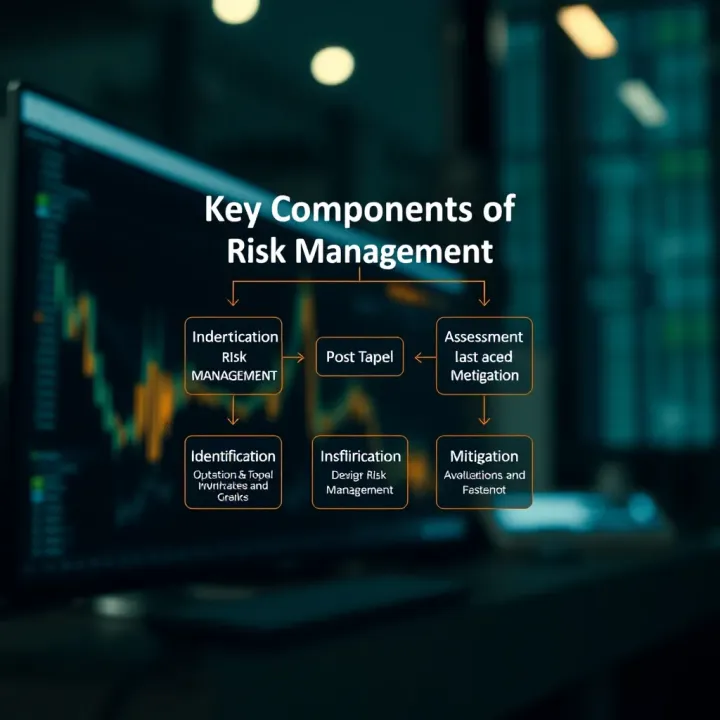
Understand risk management in Kenya 🌍 Learn key strategies, challenges, and tools to make informed decisions in business and everyday life effectively.

📊 Discover key strategies in compliance and risk management tailored for Kenya. Navigate regulations, assess risks, and build trusted systems for your business.
Based on 7 reviews